How to Choose the Best Plastic Clamshells for Packaging?
When it comes to packaging, plastic clamshells have become increasingly popular. These containers provide a reliable solution for various products, including food, electronics, and retail items. However, choosing the best plastic clamshells can be a daunting task. Factors like design, material, and functionality should be carefully considered.
In an industry saturated with options, it’s crucial to understand not just the aesthetics but also the practical implications of your choices. A visually appealing clamshell may not always offer the protection your product needs. Durability is key, as is the ease of access for consumers. Often, businesses overlook how these aspects can affect customer satisfaction.
Reflecting on your requirements can lead to better selections. Are you prioritizing sustainability? Are you focused on cost-effectiveness? These questions are vital as the right plastic clamshells can enhance your brand's image and boost sales. Engaging with suppliers who provide transparent information can help guide your decision-making process effectively.

Understanding the Different Types of Plastic Clamshell Packaging
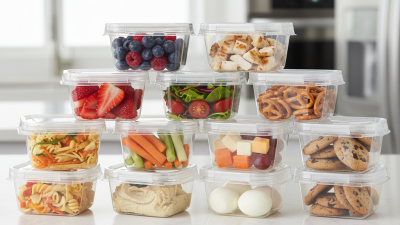
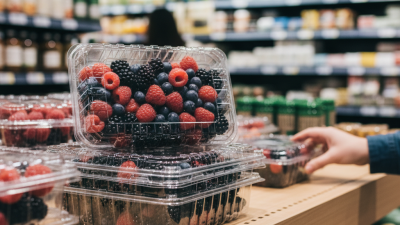
When considering plastic clamshell packaging, it's essential to understand the various types available. Clear clamshells are popular for visibility. They allow consumers to see the product inside, enhancing its appeal. These packages come in various sizes and shapes, fitting everything from small cosmetics to larger food items.
Another option is hinged clamshells, which provide easy access. This design allows for quick opening and closing, making them great for items that need quick retrieval. However, the hinges can sometimes weaken over time, leading to concerns about durability.
For heavier products, you might explore sturdy clamshells made from thicker materials. These can withstand rough handling and retain their shape better. Nevertheless, heavier packaging can also lead to increased shipping costs. Ultimately, assessing your product's needs, along with the pros and cons of each clamshell type, will guide you in selecting the best option.
Types of Plastic Clamshell Packaging
Evaluating Material Options for Clamshell Packaging Durability
Choosing the right material for clamshell packaging is crucial for ensuring durability and protection. Many options are available, such as PET, PVC, and OPS. Each material has its unique strengths and weaknesses. PET is popular due to its high clarity and strength, making products visually appealing. However, it may not always offer the best barrier protection.
When evaluating these options, consider the intended use. For fragile items, a more rigid material might be necessary. Products that require extended shelf life may need better barrier properties to ship effectively. Think about environmental impact, too. Many manufacturers now push for biodegradable options to reduce plastic waste.
Tip: Test samples of each material before making a decision. Evaluate their durability by applying stress to mimic real-life scenarios. This can highlight potential weaknesses and help you make an informed choice.
Another factor to consider is cost. While some materials may seem cheaper upfront, hidden costs can arise from damage claims or returns. Assess the long-term effects of your choice. Look for a balance between quality and affordability.
Tip: Consult with packaging experts. Their insight can provide valuable guidance on trends and best practices in the industry. They often see patterns in material performance that you might miss.
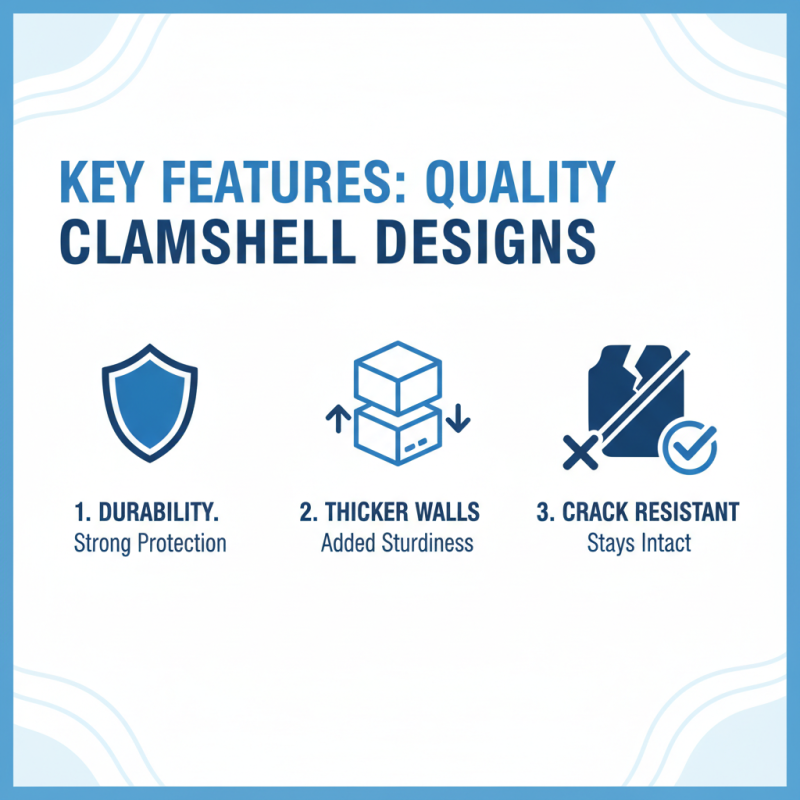
Key Features to Look for in Quality Clamshell Designs
When selecting plastic clamshells, consider their key features. Durability is essential. A strong design ensures the product inside is protected during transport. Thicker walls can provide extra sturdiness. Look for clamshells that won’t crack easily. They must remain intact, even when stacked.
Transparency matters, too. Clear clamshells allow customers to see the product. This visibility can encourage purchases. Consider clamshells with UV protection. They help shield contents from sunlight exposure. This feature extends shelf life and maintains quality.
Additionally, easy-open designs enhance user experience. A clamshell that is difficult to open can frustrate customers. Look for perforated edges or easy-tear tabs. These can improve accessibility and satisfaction. However, not all designs prioritize security and ease. Balancing these aspects requires careful consideration. The right blend of usability and protection will elevate your packaging choice.
Assessing Environmental Impact of Plastic Clamshells
When choosing plastic clamshells, it's crucial to consider their environmental impact. Plastic waste is a significant concern globally. Many clamshells are made from polyvinyl chloride (PVC) or polystyrene (PS), both of which are difficult to recycle. Consumers often overlook this aspect.
Another factor is the lifecycle of the packaging. Many clamshells, once discarded, contribute to landfill waste. This waste can take hundreds of years to decompose. It's essential to look for packaging that offers a more sustainable option. Biodegradable materials are gaining attention, but they still require proper conditions to break down effectively.
Moreover, the production process of plastic clamshells can also be resource-intensive. Using renewable resources is ideal, yet not common. Choosing clamshells that promote a closed-loop system can benefit the environment significantly. Companies need to prioritize sustainability in their packaging choices. A shift in standards and practices is necessary for real change.
Determining the Right Size and Shape for Your Packaging Needs
When choosing plastic clamshells,
size and shape are crucial. You need to assess your products first.
Measure the dimensions accurately. Consider the height, width, and depth.
A snug fit will protect items better during transport.
Excess space can lead to damage and spoil the presentation.
A variety of shapes exists. Some products may need a standard clamshell,
while others might benefit from a custom design.
Think about how your product fits inside.
Will it be displayed upright or flat? The way your items are showcased
can affect consumer interest.
Many overlook the importance of clarity.
The right level of transparency can draw attention to your products.
However, not all items need full visibility.
Sometimes, a tinted clamshell might better suit the packaging strategy.
Evaluate what communicates your brand message effectively.
Adjustments might be necessary as you refine your choices.
Choosing the right clamshell is an iterative process.
It may require testing different designs before finding the perfect fit.