How to Choose the Best Ltcc Screen Printer for Your Needs?
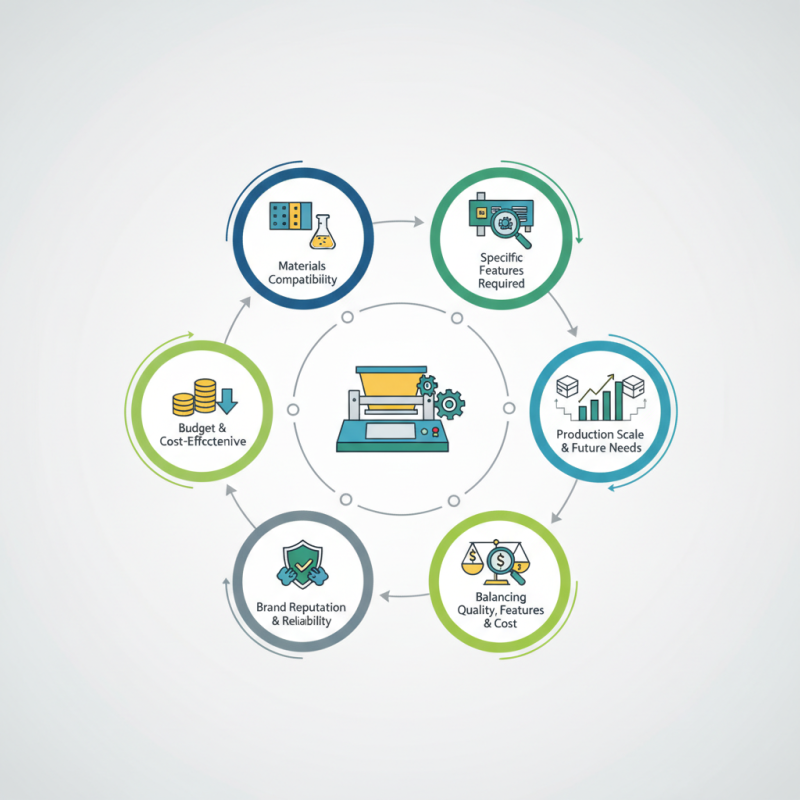
Choosing the right Ltcc Screen Printer can define your production quality. The market offers many options, making the decision challenging. Understanding your needs is crucial. Each printing task requires specific features in an Ltcc screen printer.
When selecting a printer, consider the materials you'll work with. Different printers perform better with various substrates. Research brands with a solid reputation for reliability. Customer reviews can provide insight but analyze multiple sources for a balanced view.
Don't overlook your budget. Higher costs might not always mean better quality. Sometimes, features you don't need can inflate prices. Reflect on your production scale and future needs. An Ltcc screen printer should not only meet your current demands but also adapt to growth. Balancing quality, features, and cost is essential.
Understanding the Basics of LTCC Screen Printing Technology
LTCC (Low-Temperature Co-fired Ceramic) screen printing technology is essential for producing high-quality electronic components. This process allows for the integration of multiple layers in a compact form. Understanding its basics is crucial for making informed decisions.
The LTCC method utilizes special ceramic materials which are fired at lower temperatures. This process enhances the reliability of electronic devices. The layers can include conductors, dielectrics, and resistors. Each layer can be printed with precision. This precision is vital in applications where space and performance are critical.
Tips: When selecting an LTCC screen printer, consider the resolution and layer alignment capabilities. Check the printer's compatibility with various materials. Prioritize machines that offer flexibility in adjusting settings. This will help you adapt to different production needs. Don't overlook user reviews; they provide real-world insights.
It's important to remember that not every printer fits all applications. Some may struggle with complex geometries. Research how the printer performs under varied conditions. This investigation can prevent costly mistakes. Engaging with community discussions can provide clarity. Consider both strengths and weaknesses before making a choice.
LTCC Screen Printer Performance Comparison
Identifying Your Specific Printing Needs and Requirements
When choosing the best LTCC screen printer, it's crucial to identify your specific printing needs. LTCC technology excels in producing high-frequency components and complex materials. Approximately 70% of manufacturers prioritize precision and speed in their printing processes. Therefore, consider whether you need a printer that excels in high-volume production or one that offers customized, small-batch solutions.
Understand the materials you plan to work with. Data from the industry indicates that around 60% of screen printers report challenges when adapting to new substrates. If you're using advanced materials, it's essential to select a printer that accommodates them effectively. Factors like temperature control and print resolution play a significant role in achieving optimum results.
It's also important to reflect on your production environment. An efficient printer should integrate seamlessly into your existing workflow. A study highlighted that 55% of companies face downtime due to equipment incompatibility. Identifying the specific requirements of your setup can help you avoid potential pitfalls. Look for features that enhance usability and maintenance, ensuring your investment is both reliable and sustainable over time.
Evaluating the Key Features of LTCC Screen Printers
When evaluating LTCC screen printers, several key features should be considered. Print accuracy is crucial. A slight deviation can lead to defective circuits. Reports indicate that precision within 0.1 mm is often essential in high-frequency applications. Users have observed that even minor inaccuracies can impact performance significantly.
Another important aspect is the print speed. Many manufacturers now prioritize high throughput. Modern LTCC printers can reach speeds of up to 300 mm per second. However, too much speed might compromise quality. It's vital to find a balance between speed and precision. Some users have noted that high speed may lead to misalignment or smudging.
Additionally, versatility in substrate handling is necessary. As industries evolve, the demand for printing on various materials increases. A printer's capability to adapt to different substrates is often a major determining factor. Reports show that flexible printers are more in demand as manufacturers seek to broaden their applications. It's worth recognizing that the features you prioritize will depend on your specific requirements. Each choice has its potential drawbacks, and careful consideration is imperative.
Comparing Brands and Models of LTCC Screen Printers
When selecting an LTCC screen printer, understanding the various brands and models is crucial. According to industry reports, the LTCC (Low-Temperature Co-fired Ceramic) market is projected to grow significantly, reaching a market value of over $1.2 billion by 2026. This growth indicates a rising demand for high-quality screen printing solutions in ceramics manufacturing.
Different brands often offer varied features. A common point of differentiation is the printing speed. Some models can achieve up to 1,000 layers per hour. But, speed should not overshadow print resolution. Many manufacturers claim high precision, but real-world applications may reveal production inconsistencies. Minor errors can escalate costs, leading to reprints and waste.
Another aspect to consider is the technology used. Some LTCC printers incorporate advanced automation. While this may enhance efficiency, maintenance and repair costs can be a drawback. Problems can arise suddenly, leaving manufacturers at a halt. Selecting the right model is an ongoing process. Regular evaluation and adjustments based on performance data are essential for optimizing production workflow. This dynamic environment requires constant learning and adaptation.
Budgeting for Your LTCC Screen Printing Setup and Maintenance
When budgeting for your LTCC screen printing setup, consider initial equipment costs. These machines can range from $10,000 to over $100,000, depending on technology and features. Features such as automatic registration and advanced drying systems can increase productivity. A detailed cost analysis reveals that over 40% of businesses underestimate these expenses.
Maintenance costs also play a critical role. Regular servicing can amount to 5-10% of equipment costs annually. This often includes software updates, replacing screens, and cleaning materials. Neglecting maintenance can lead to costly downtime, which many small businesses overlook. In fact, industry reports suggest that 30% of printing companies fail due to high maintenance costs.
Don't forget the operational expenses. Consumables like inks, substrates, and cleaning supplies can add up quickly. These ongoing costs may account for over 20% of your total budget. Investing in bulk purchasing can provide savings but requires upfront capital. Regularly revisiting your budget helps adjust for fluctuations in prices and ensures sustainability.