How to Choose the Best Fruit Packaging for Freshness and Sustainability
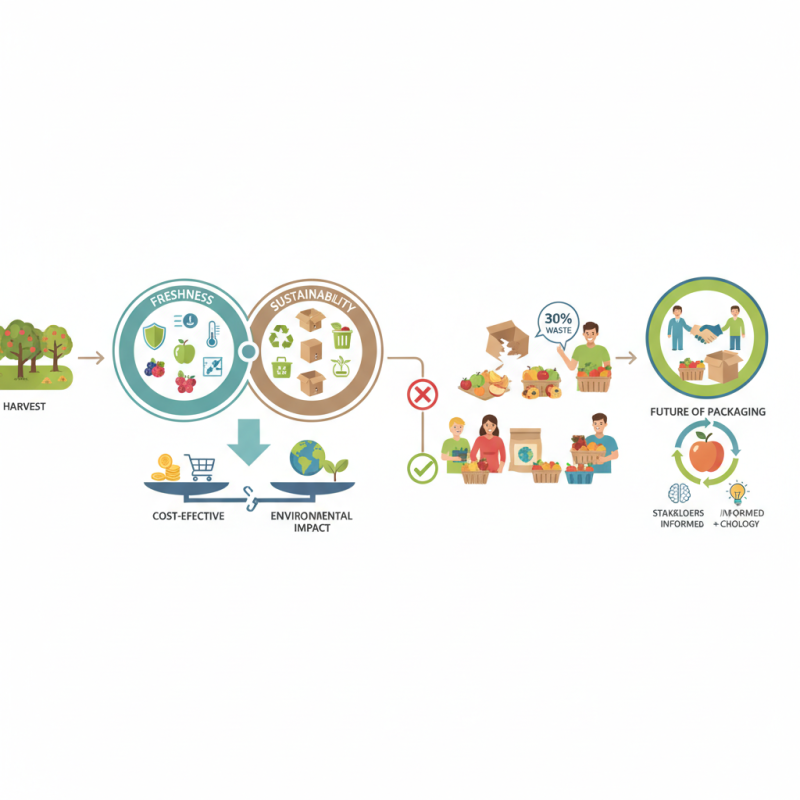
Fruit packaging plays a crucial role in maintaining the freshness of produce. Reports indicate that approximately 30% of fresh fruits are wasted due to improper packaging and handling. With growing concerns about sustainability, the choice of fruit packaging has become increasingly important. According to expert Dr. Emily Harmon, "Selecting the right fruit packaging is key to reducing waste and enhancing product quality."
Modern consumers are more conscious about environmental impact. They prefer sustainable packaging solutions that minimize ecological footprints. The use of biodegradable materials and reduced plastic waste are trends gaining traction in the industry. However, many packaging options still fall short. Companies often choose what’s cost-effective over what’s sustainable. This reliance on traditional materials needs re-evaluation.
Insufficient awareness about innovative packaging options can hinder progress. Although some advances have been made, the fruit packaging industry still grapples with outdated practices. Stakeholders must prioritize sustainability without sacrificing product integrity. Moreover, the challenge lies in balancing cost and environmental impact. The future of fruit packaging depends on informed choices that meet both freshness and sustainability goals.
Types of Fruit Packaging Materials and Their Impact on Freshness
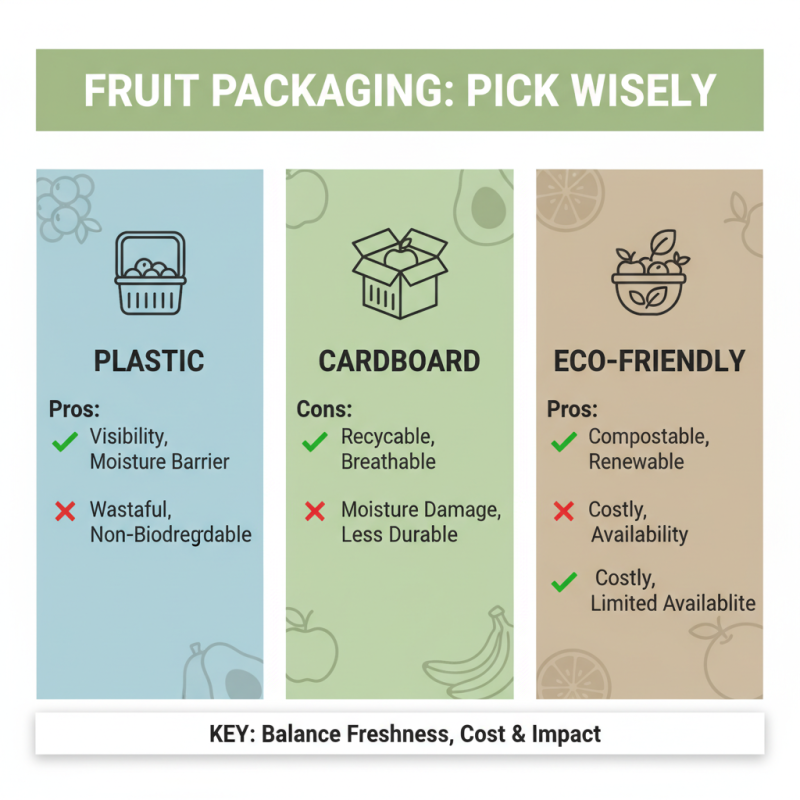
Selecting the right packaging for fruit is crucial. Different materials affect freshness and can promote waste. Common types include plastic, cardboard, and eco-friendly options. Each has distinct advantages and downsides.
Plastic packaging is lightweight and provides a barrier to contaminants. However, it often traps moisture, leading to spoilage. Cardboard is a better option for ventilation. It allows fruits to breathe, reducing mold risk. Yet, it may offer less protection during transport.
Eco-friendly materials are becoming popular. Biodegradable packaging helps reduce waste. These options may not always protect fruit as effectively. Finding a balance is essential. Experimenting with different types may reveal better solutions for maintaining freshness while being sustainable. The quest for ideal fruit packaging continues.
Environmental Considerations in Fruit Packaging Choices
The choice of fruit packaging significantly impacts both freshness and the environment. According to a report from the World Wildlife Fund, about 1.3 billion tons of food waste occurs annually. Poor packaging contributes to this issue. Choosing sustainable options can reduce this waste and promote freshness.
Biodegradable packaging, for instance, breaks down naturally, helping to minimize landfill contributions. In contrast, plastic can take hundreds of years to decompose. Research indicates that using renewable materials can cut carbon emissions by over 50%.
However, not all fruits require the same level of protection. Some delicate fruits, like berries, may need more cushioning, which can lead to difficult choices in material selection.
Recycling is another crucial aspect of sustainability. The EPA states that only about 35% of plastic packaging is recycled in the U.S. This demonstrates the need for improvement. Alternatives like corrugated boxes and compostable films could offer practical solutions.
While these materials may be more costly, the long-term benefits are worth considering. Balancing cost with environmental impact remains a challenge in the industry.
Assessing the Role of Packaging in Fruit Shelf Life
Packaging plays a crucial role in preserving the freshness of fruits. It helps prevent spoilage and extends the shelf life of produce. For instance, breathable materials can reduce moisture buildup, which is vital for preventing mold. Similarly, packaging that minimizes bruising can keep fruits looking appealing for longer.
However, not all packaging options are environmentally friendly. Many materials are single-use and contribute to waste. As consumers become more eco-conscious, the demand for sustainable solutions is rising. Biodegradable or recyclable packaging options are becoming increasingly popular, though they still have their challenges. Sometimes, these materials do not provide the same level of protection as traditional plastics.
It's important to weigh the benefits of freshness against sustainability. In some cases, a choice could lead to compromised fruit quality. This dilemma requires ongoing reflection in our packaging choices. Careful consideration is necessary not just for convenience but also for the planet's future. Finding that balance is complex and continually evolving.
Innovative Sustainable Packaging Solutions for Fresh Produce
In today's market, fresh produce often faces challenges in packaging. Innovative sustainable packaging solutions are emerging to address these concerns. For instance, a recent study showed that biodegradable materials can reduce landfill waste by 30%. This shift is crucial as consumers increasingly demand environmentally friendly options.
One effective solution is using plant-based plastics. These materials break down faster than traditional plastics. They provide a safe environment for fruits, allowing them to breathe and maintain freshness. Yet, not all suppliers prioritize these innovations. Some still rely on outdated methods that harm the environment. The need for improvement is clear.
Another promising development is edible packaging. Research indicates that this type of packaging can extend the shelf life of produce by up to 50%. It poses a win-win: less waste and fresher products. However, there are still hurdles to overcome, such as higher production costs and limited consumer awareness. Industry reports suggest that education is key for turning these advancements into mainstream solutions. The focus must remain on creating sustainable, practical packaging.
Consumer Preferences in Fruit Packaging: Freshness vs. Sustainability
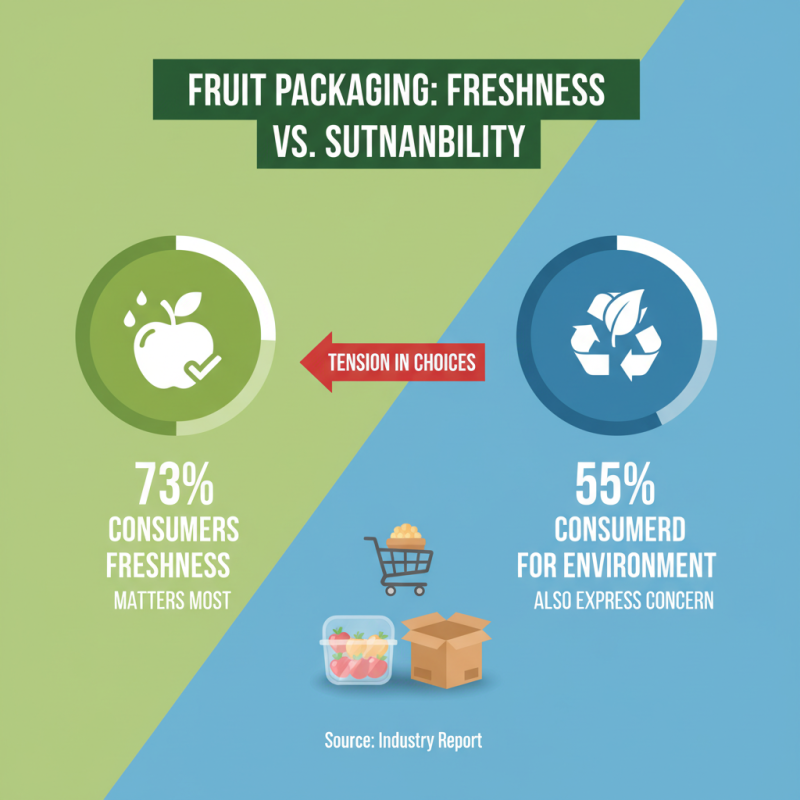
Consumer preferences in fruit packaging are evolving. Many shoppers prioritize freshness over sustainability. A recent industry report reveals that 73% of consumers say freshness matters most. Yet, 55% also express concern for the environment. This tension is evident in packaging choices.
Many consumers dislike plastic. They worry about its impact on nature. In fact, 62% of shoppers prefer biodegradable or compostable materials. This growing demand makes sustainable packaging critical. However, achieving the right balance is challenging. Finding materials that preserve fruit freshness while being eco-friendly is not easy.
Tips: Choose materials that protect moisture and air. These features help retain freshness. Consider reusable options, too. They can lessen waste and appeal to eco-conscious consumers. Remember, the perfect packaging is still a work in progress. It requires ongoing adaptation and innovation in the industry.