How to Choose the Best PVC Panels for Your Needs?
When it comes to selecting the best Pvc Panels, understanding your specific needs is crucial. PVC panels have gained prominence in various industries due to their versatility and durability. According to a report by Grand View Research, the global PVC panel market is projected to reach USD 25.65 billion by 2025. This growth highlights the increasing demand for quality materials that meet diverse applications.
Choosing the right PVC panels involves considering factors like design, thickness, and water resistance. It is essential to evaluate the intended use, whether for residential, commercial, or industrial purposes. For instance, thicker panels often provide better durability but can be more costly. Brands like Dumaplast and Palram offer options that feature unique textures and colors, catering to aesthetic preferences while maintaining functionality.
However, the overwhelming variety can lead to confusion. Not all PVC panels are created equal, and poor choices can result in dissatisfaction. Buyers must investigate the performance ratings and warranties of products. Ultimately, investing time in research and analysis can lead to satisfactory outcomes, safeguarding both the budget and the project’s longevity.
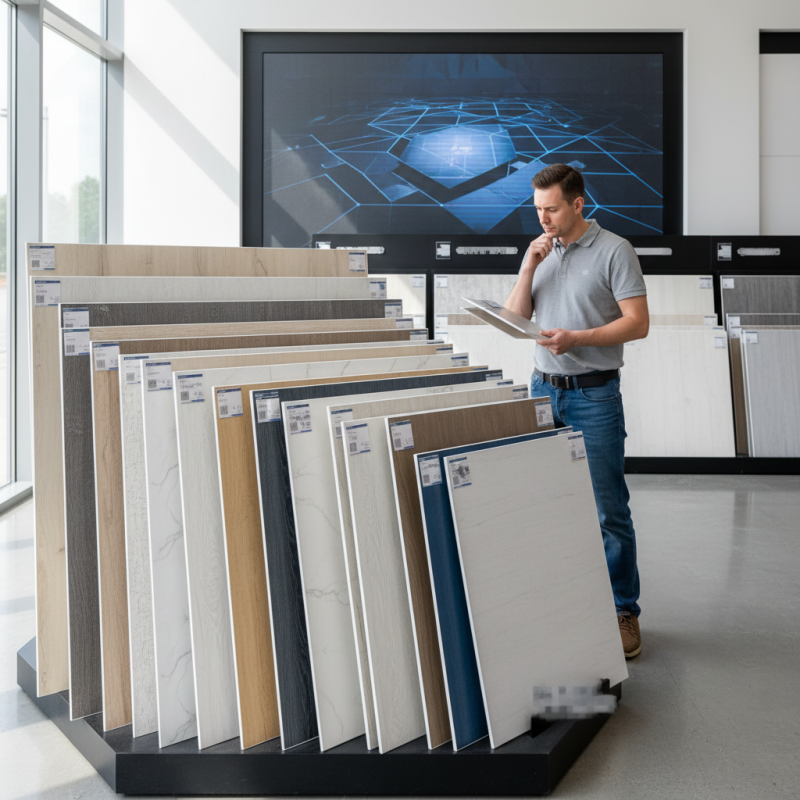
Understanding Different Types of PVC Panels Available in the Market
When selecting PVC panels, it’s essential to understand the varieties available on the market today. PVC wall panels come in several types, each suited for different applications. For instance, hollow PVC panels are lightweight and ideal for residential projects. They are cost-effective but may lack the durability required for commercial settings.
In contrast, solid PVC panels offer greater strength and resistance to moisture. These panels perform well in high-humidity areas, such as bathrooms and kitchens. According to industry reports, solid PVC panels can last up to 25 years with proper maintenance. Textured panels also present an aesthetic option, enhancing visual appeal while maintaining functionality.
While choosing, consider factors like fire resistance and insulation properties. Not all panels meet the same standards. Some may only provide basic protection, leading to potential safety issues. It’s crucial to check for certifications. A significant percentage, about 30%, of homeowners report dissatisfaction due to unexpected deteriorations in low-quality panels. Make informed decisions by comparing options and reviewing certifications.
Key Factors to Consider When Choosing PVC Panels for Your Project
Choosing the right PVC panels can greatly impact your project’s success. Start by evaluating the thickness of the panels. Industry reports indicate that thicker panels often provide better durability and insulation. Panels with a thickness of 5mm to 10mm are typically recommended for high-traffic areas.
Consider the design and finish of the PVC panels. Aesthetic appeal is important, especially if the panels will be visible. Glossy finishes can reflect light, creating a sense of space. However, they may show scratches more easily. Matte finishes hide imperfections but may not be as visually striking.
Don’t overlook the installation process. Some panels are designed for easy click-and-lock installation, while others require adhesives. This can influence your overall budget. Data shows that improper installation can lead to costly future repairs. Evaluate your skill level or hire professionals if needed. Always plan for potential challenges in installation and maintenance to ensure your project meets your expectations.
Assessing the Quality and Durability of PVC Panels
When selecting PVC panels, quality and durability are essential factors. High-quality panels resist wear and tear better than their cheaper counterparts. Look for panels with a strong thickness. Thicker panels typically endure impact and moisture more effectively. Check for signs of flexibility; panels that bend easily may not last long.
Another consideration is the surface finish. A well-finished surface is easier to clean and maintain. Glossy finishes tend to resist stains better, while matte finishes can show dirt more easily. Ensure the panels have UV resistance if they will be exposed to sunlight. This feature helps prevent fading or discoloration over time.
Finally, assess the warranty. A strong warranty indicates a manufacturer’s confidence in their product. If a company offers a long guarantee, it often reflects on their commitment to quality. Look for reviews and testimonials to gauge long-term performance. However, be cautious; some reviews may skew positively due to marketing influences. Real user feedback can provide valuable insights into durability.
How to Choose the Best PVC Panels for Your Needs? - Assessing the Quality and Durability of PVC Panels
| Dimension | Material Thickness (mm) | Weight (kg/m²) | Durability Rating (Years) | Water Resistance (Rating) | Price (per m²) |
| Standard Panel | 3 | 1.5 | 10 | High | $15 |
| Decorative Panel | 4 | 1.8 | 15 | Medium | $25 |
| Heavy-Duty Panel | 5 | 2.5 | 20 | Very High | $35 |
| Eco-Friendly Panel | 3.5 | 1.4 | 12 | High | $20 |
Evaluating Aesthetic Options and Finishes for PVC Panels
When selecting PVC panels, the aesthetic options and finishes can significantly influence your project’s outcome. PVC panels are available in various textures and colors, catering to diverse design preferences. According to a recent industry report, about 75% of consumers prioritize aesthetics in their choices, reflecting the panels' impact on overall décor. Textured finishes, like woodgrain or matte, can add depth and character to spaces, making them feel more inviting.
Furthermore, the durability of the finish is paramount. Panels with higher resistance to scratches and fading not only maintain their appearance longer but also require less maintenance. A study found that 68% of users reported dissatisfaction with low-quality finishes after a year of use. Consequently, investing in higher-quality finishes can lead to long-term satisfaction.
It’s essential to balance personal style with practicality. While bold colors may seem appealing, they can limit future design flexibility. Some homeowners find themselves needing to repaint or replace panels sooner than expected, raising costs. Reflection on these aspects can guide you in making informed decisions that combine beauty with functionality.
Comparing Cost and Budget Constraints for PVC Panel Selection
When it comes to selecting PVC panels, understanding your budget is crucial. Cost varies significantly based on quality and design. Low-cost options might save money initially, but they may not offer longevity. Investing in higher-quality panels can often lead to savings in the long run.
Tips: Look at lifecycle costs. Consider how often you need to replace or repair cheaper options. This can impact your overall budget. Evaluate the thickness of panels. Thicker panels usually provide better durability, which can justify a higher price tag.
Don't forget about installation costs. Some panels require professional help, increasing your total expense. Measure your space carefully to avoid purchasing excess material. This can prevent waste and unnecessary costs. Reflect on your specific needs, like moisture resistance or aesthetic appeal, as these factors will influence your choice and budget.
