10 Essential Tips for Choosing the Right Produce Packaging Supplies?
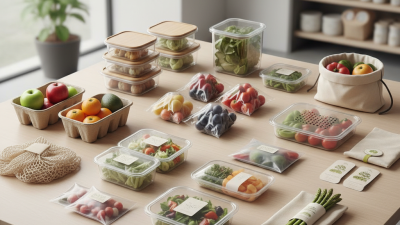
Choosing the right produce packaging supplies is crucial for any business dealing with fresh fruits and vegetables. The right packaging not only preserves quality but also enhances presentation. The produce packaging industry offers various options to meet diverse needs. However, not every choice suits all products.
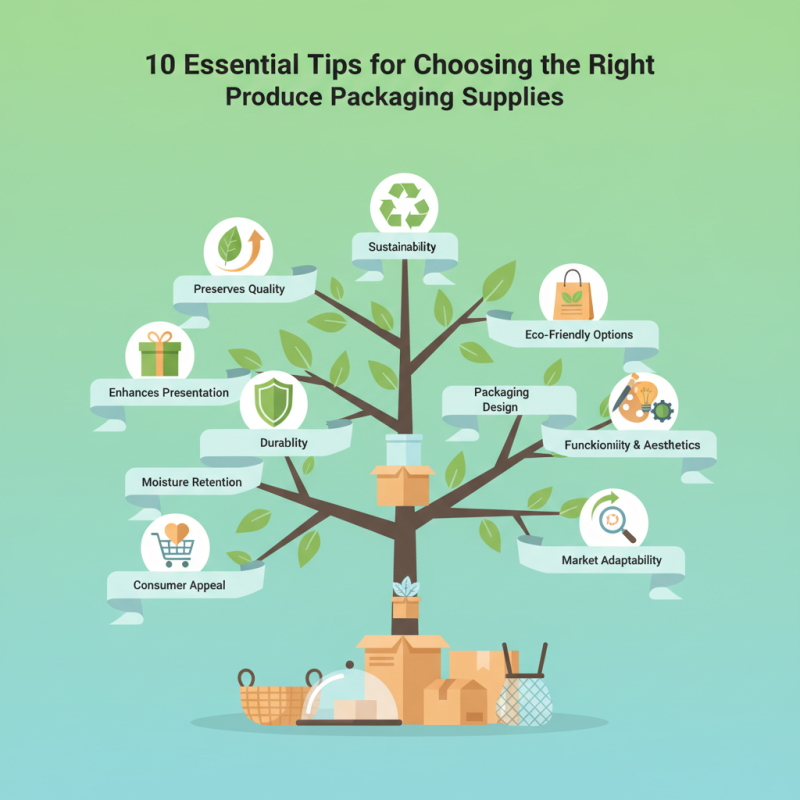
Understanding the various materials available is vital. From biodegradable options to plastic wraps, each type has its pros and cons. Factors such as moisture retention, durability, and consumer appeal must be evaluated. Additionally, consider the impact of packaging on sustainability efforts. Eco-friendly supplies can attract environmentally-conscious buyers.
Many newcomers may overlook the importance of packaging design. Labels, colors, and shapes can greatly influence customer perception. However, trying to blend aesthetics with functionality can be challenging. Many find themselves stuck between creativity and practicality. Be prepared to reassess choices as market demands shift. Choosing the right produce packaging supplies is an evolving journey.
Understanding the Importance of Produce Packaging in Supply Chains
Produce packaging plays a crucial role in the supply chain. It protects fruits and vegetables from damage during transit. The right packaging reduces spoilage and maintains freshness. This is vital for meeting consumer demands. Packaging is not just about protection; it also enhances visibility.
Eye-catching designs can attract customers, driving sales.
Choosing the ideal packaging requires understanding various factors. Materials must be durable yet eco-friendly. The design should align with the product's nature. For instance, delicate berries need soft padding to prevent crushing. Produce like potatoes may require breathable materials to avoid moisture buildup.
Many businesses overlook the importance of testing packaging solutions. What works for one type of produce might not suit another. Companies must be willing to refine their choices. Sometimes, even slight adjustments can yield significant improvements. Investing time in research and development is essential for optimizing packaging. Emphasizing functionality and sustainability in produce packaging can strengthen supply chain efficiency.
Key Factors Impacting the Selection of Produce Packaging Materials
When selecting produce packaging materials, several key factors should be considered to ensure freshness and safety. Understanding the type of produce you are packaging is crucial. Different fruits and vegetables require different levels of protection. For instance, delicate items like berries need breathable packaging to avoid moisture buildup. Heavier items, such as squash, may require sturdier materials to prevent crushing.
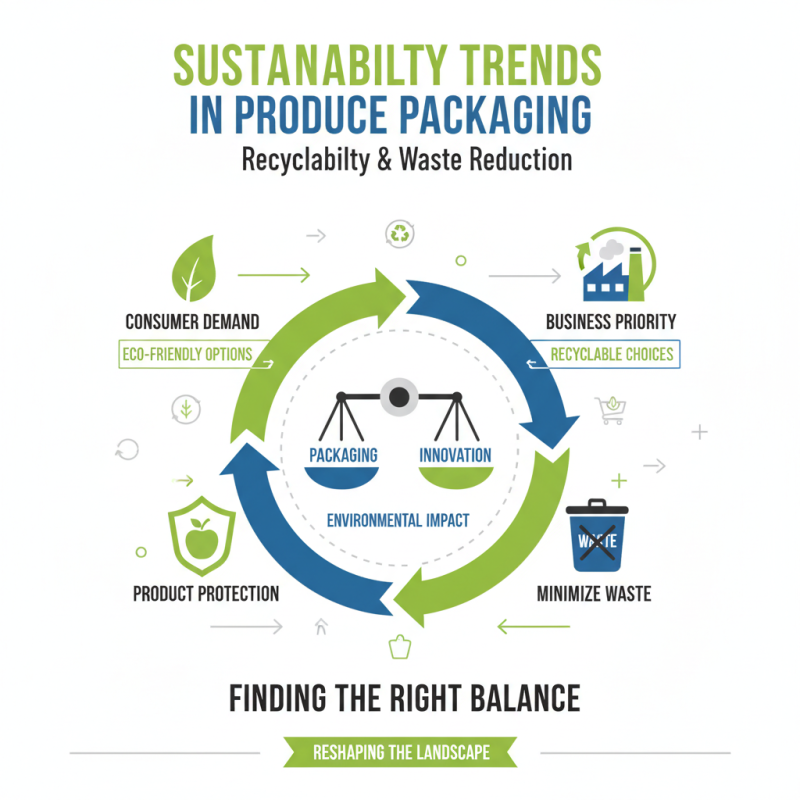
Material choice is another vital aspect. Biodegradable options offer an environmentally friendly alternative. However, they sometimes don’t provide the same barrier as traditional plastics, which can lead to spoilage. Crafting a balance between sustainability and functionality is necessary, as poor choices can harm your produce's quality.
Another consideration is compliance with food safety standards. It's essential to source materials certified for food contact. Lack of transparency in sourcing can lead to contaminated produce. Consider using materials from reputable suppliers to avoid potential pitfalls. Also, regularly assess your packaging process to identify inefficiencies and areas for improvement. Adaptability is crucial as market demands change.
Comparing Different Types of Produce Packaging: Pros and Cons
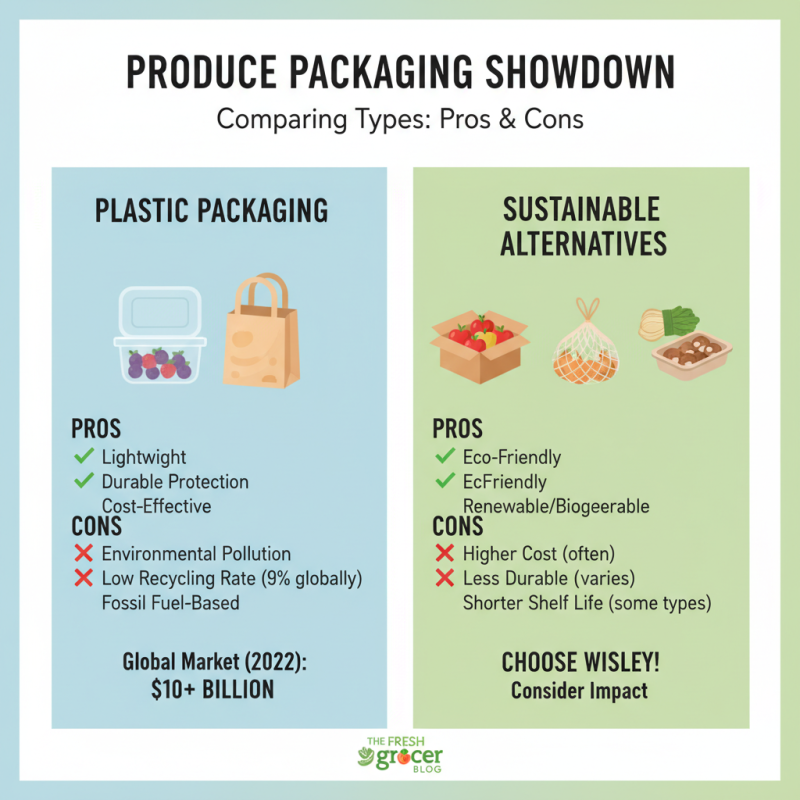
When selecting produce packaging, understanding the pros and cons of different materials is vital. Each type has its unique strengths and weaknesses. For instance, plastic packaging is lightweight and durable, protecting produce during transport. The global market for plastic produce packaging was valued at over $10 billion in 2022, showing its popularity. However, concerns over plastic waste and environmental impact continue to rise. Recycling rates for plastic packaging remain low, with only 9% being recycled globally, which poses a significant problem.
Paper packaging, often seen as eco-friendly, is biodegradable and can be recycled. It can also provide adequate protection. However, paper may not be as strong or moisture-resistant as plastic. According to a report from Smithers Pira, the paper packaging market is projected to grow by 3.1% annually through 2026. This growth suggests a shift towards sustainable options, although the effectiveness of paper in keeping produce fresh is still debated.
Choosing between glass and flexible pouches is another consideration. Glass is non-reactive and preserves quality but is heavier and costlier to ship. On the other hand, flexible pouches take less space and are generally cost-efficient. Yet, they may not offer the same level of protection as rigid containers. Understanding these details helps in making informed choices for produce packaging, aligning with environmental goals while meeting market demands.
Regulatory Considerations for Produce Packaging in the Food Industry
When selecting packaging for produce, regulatory considerations play a crucial role. Compliance with health and safety regulations ensures that your packaging protects both consumers and products. Knowing local and national guidelines is essential for any business. This step reduces risks and builds consumer trust.
Different materials meet various safety standards. For perishable items, breathable packaging helps maintain freshness while adhering to regulations. Understanding the interaction between produce and packaging materials is vital. For example, certain plastics may leach harmful substances into food. Researching material safety ensures you're making informed choices.
Maintaining quality throughout the supply chain is another significant consideration. Packaging should be durable enough to withstand transport. Yet, it also needs to be eco-friendly. Many regulations now favor sustainable materials, pushing businesses toward greener solutions. Balancing safety, functionality, and environmental impact requires careful thought. Take time to evaluate your options and continually reflect on their effectiveness.
10 Essential Tips for Choosing the Right Produce Packaging Supplies
| Tip Number |
Tip Description |
Regulatory Considerations |
| 1 |
Choose materials that are safe for food contact. |
Compliance with FDA regulations. |
| 2 |
Ensure packaging is biodegradable or recyclable. |
Adhere to environmental standards. |
| 3 |
Select appropriate sizes to minimize waste. |
Follow guidelines for optimal packaging density. |
| 4 |
Consider the shelf life of produce. |
Regulations on expiration labeling. |
| 5 |
Ensure packaging protects against contamination. |
Hygiene standards compliance. |
| 6 |
Evaluate transportability and durability. |
Safety regulations for transportation. |
| 7 |
Consider consumer convenience in design. |
Consumer safety information requirements. |
| 8 |
Ensure labels are clear and informative. |
Labeling laws compliance. |
| 9 |
Investigate cost-effectiveness of materials. |
Regulatory considerations for pricing disclosures. |
| 10 |
Get feedback from stakeholders on packaging choices. |
Adhere to best practices for business ethics. |