What is a High Voltage Lightning Arrester and How Does It Work?
In the realm of electrical engineering, the significance of a High Voltage Lightning Arrester cannot be overstated. These devices play a critical role in protecting high voltage systems from surges caused by lightning strikes. Renowned engineer Dr. John Smith states, "The right lightning arrester can save homes and businesses from catastrophic damage." This highlights the importance of selecting the appropriate arrester.
High Voltage Lightning Arresters serve as the first line of defense against electrical surges. They divert excess voltage away from sensitive equipment and grounding systems. By doing so, they help maintain stability and protect essential infrastructure. However, not all arresters function equally across different environments. Proper installation and selection are crucial, which presents challenges.
Moreover, the technology behind High Voltage Lightning Arresters is evolving. While traditional designs have served us well, newer models are emerging. There’s still much to understand about their long-term reliability. Engineers and businesses must remain vigilant in exploring these advancements to ensure maximum protection. Each decision in this field is vital. The stakes are high, and complacency can lead to costly errors.
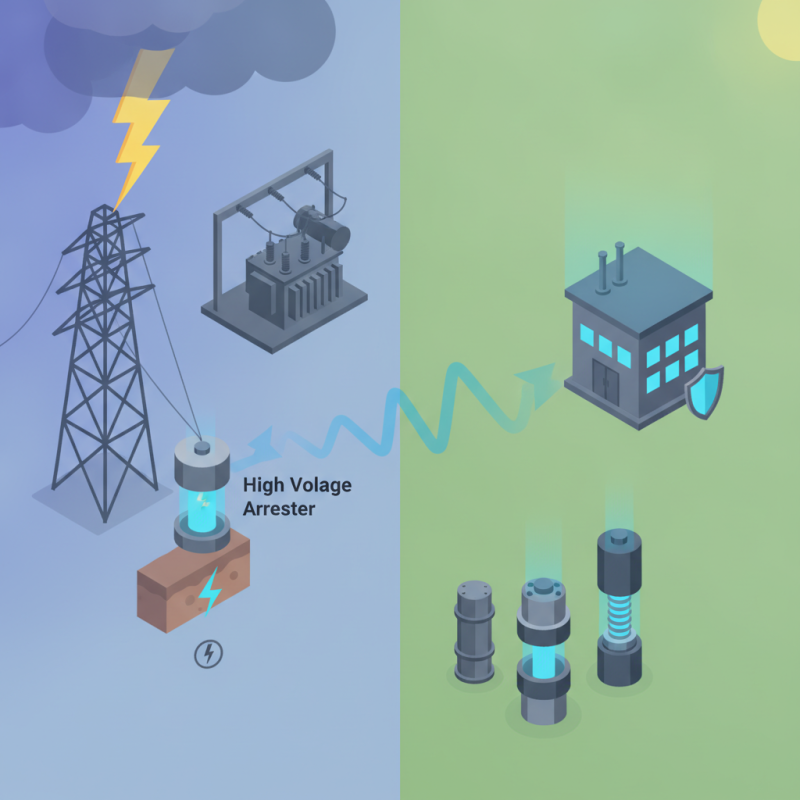
Definition of High Voltage Lightning Arrester and Its Purpose
A high voltage lightning arrester is a critical device for protecting electrical systems. Its primary purpose is to prevent damage caused by lightning strikes or voltage surges. These events can lead to catastrophic failures in power lines, transformers, and other electrical equipment.
The design of a high voltage lightning arrester typically includes a series of non-linear resistors. These components divert excess energy from lightning strikes safely to the ground. When struck, the arrester activates, allowing large electric currents to flow through it. This process protects surrounding structures and equipment from potential damage.
Understanding how these devices work is essential for electrical grid safety. However, not all systems correctly implement arresters. Inadequate installation can lead to failures, underscoring the need for expert evaluations and regular maintenance. Effective strategies involve periodic testing and adherence to safety standards. This could make a significant difference in preventing outages and preserving infrastructure.
What is a High Voltage Lightning Arrester and How Does It Work?
| Dimension | Details |
| Definition | A High Voltage Lightning Arrester is a device designed to protect electrical equipment from voltage surges caused by lightning strikes or switching events. |
| Purpose | To divert excessive voltage away from sensitive equipment and grounding it safely to prevent damage. |
| Construction Material | Typically made from silicon carbide or metal-oxide varistors which can withstand high voltages. |
| Operating Principle | The arrester remains inactive under normal conditions and only triggers during a surge, creating a low-resistance path to ground. |
| Applications | Used in power transmission systems, substations, and industrial applications where high voltage equipment is used. |
| Maintenance | Regular inspections are required to ensure the arrester is functioning properly and to replace any units showing signs of wear or damage. |
| Types | Includes polymer, porcelain, and hybrid types which vary based on environmental conditions and installation requirements. |
Types of High Voltage Lightning Arresters and Their Applications
High voltage lightning arresters are essential for protecting electrical systems from transient surges. They come in various types, each tailored for specific applications. Understanding these types can help in selecting the right arrester for a given situation.
The most common types include rod gap arresters, valve-type arresters, and metal oxide varistor (MOV) arresters. Rod gap arresters use air gaps to discharge voltage surges. They are often seen in overhead line applications.
Valve-type arresters have internal components that control the discharge of excess voltage. These are extensively used in substations. MOV arresters are versatile and suited for utility lines and industrial settings, due to their rapid response time.
In practice, the effectiveness of these devices relies heavily on proper installation and location. Not all installations may yield optimal protection.
In some cases, environmental factors like humidity or pollution can affect performance. Regular maintenance is crucial to ensure long-term reliability. Understanding these nuances leads to better safety and efficiency in electrical systems.
Working Principle of High Voltage Lightning Arresters Explained
High voltage lightning arresters play a crucial role in protecting electrical systems from lightning strikes. These devices divert excessive voltage, ensuring safety in power infrastructure. Their design is simple yet effective, using a combination of materials that can withstand high voltages. When lightning hits, the arrester detects the spike in voltage and redirects it to the ground. This prevents damage to transformers and other vital components.
The working principle revolves around the concept of conduction. Under normal conditions, the arrester remains non-conductive. However, during a lightning event, the surge in electrical energy makes it conductive. The energy flows through the arrester instead of the connected electrical system. Boron-doped silicon or zinc oxide are commonly used in the construction, enhancing their reliability.
Despite their effectiveness, lightning arresters are not infallible. In some cases, they may fail to operate correctly due to environmental factors, such as moisture or dust accumulation. Regular maintenance is essential to ensure optimal functionality. Understanding the working principle of these devices helps in recognizing their limitations and the importance of routine checks. With frequent weather changes, the need for reliable lightning protection is more significant than ever.
Installation and Maintenance of High Voltage Lightning Arresters
Installation of high voltage lightning arresters requires careful planning and expertise. Proper placement is crucial to ensure effectiveness. They should be installed near the equipment they protect. Ground connections must be reliable to dissipate energy safely. Each component must be inspected regularly to avoid possible failures.
Maintenance is key to longevity. Technicians should routinely check for signs of wear or corrosion. Even minor issues can lead to serious problems during a storm. Regular testing is essential to confirm the arresters function correctly. Keeping records of all inspections helps track performance over time.
Despite the best efforts, mistakes can happen. An improperly installed arrester may not provide adequate protection. It's essential to review installations periodically. Continuous education for installers can prevent issues down the line. Proper training ensures the equipment is handled correctly, avoiding unnecessary risks.
Benefits and Limitations of Using High Voltage Lightning Arresters
High voltage lightning arresters are essential for protecting electrical systems from lightning strikes. They are designed to divert excess voltage to the ground, safeguarding equipment and infrastructure. However, while these devices offer significant advantages, they also have limitations.
One major benefit is enhanced safety. These arresters help prevent catastrophic damage to power lines and substations. They reduce the risk of fires and equipment failure. Additionally, using high voltage lightning arresters can lead to lower maintenance costs over time. By shielding critical components from surges, businesses can enjoy uninterrupted service.
On the downside, their installation can be costly. High voltage systems require expert handling, which raises initial expenses. Moreover, the effectiveness of these arresters can diminish due to factors like wear and tear or environmental conditions. Regular inspections are crucial to ensure they function optimally.
Tips: Always consider the location's lightning frequency when choosing a system. Regular maintenance checks will keep your arrester in prime condition. It's wise to consult with a professional for installation.
Benefits and Limitations of High Voltage Lightning Arresters
