What is a Plastic Fruit Container and How is it Used?
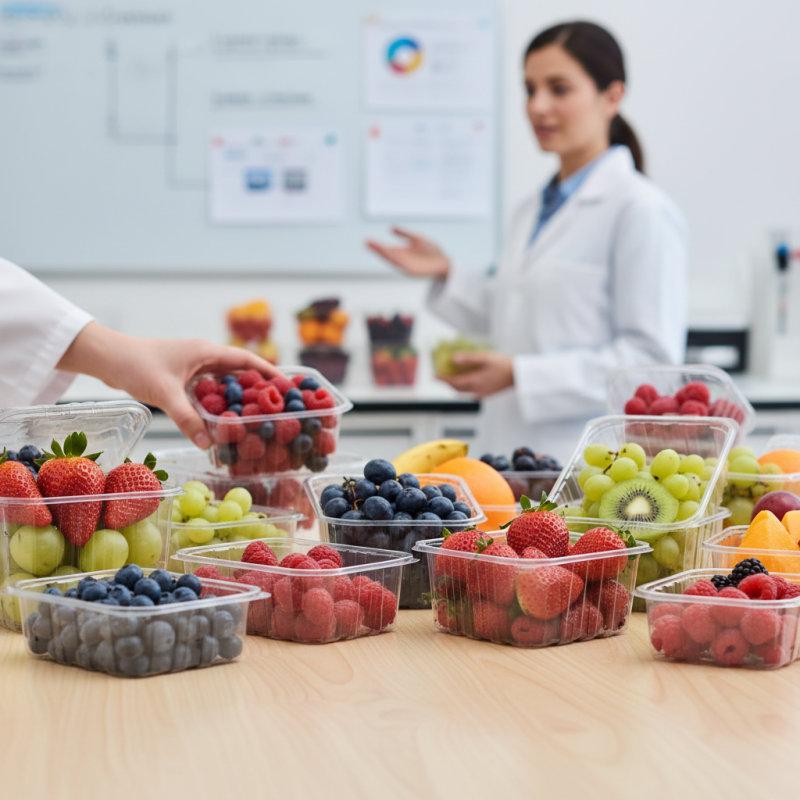
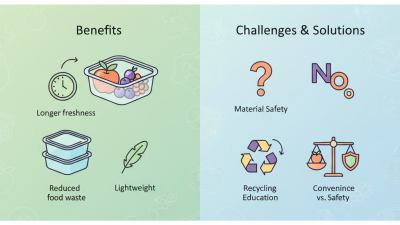
Plastic fruit containers play a crucial role in the food industry. These containers are designed to preserve the freshness of fruits. As an industry expert, Dr. Emily Torres states, “Proper packaging can significantly extend the shelf life of fresh produce.”
These containers are lightweight and durable. They come in various shapes and sizes. Their ability to protect fruits from damage during transportation is essential. However, not all plastic fruit containers are created equal. Some may not be recyclable, raising concerns about environmental impact.
Despite their benefits, the use of plastic fruit containers poses challenges. Many consumers remain unaware of proper disposal methods. This creates a cycle of waste. Finding a balance between convenience and sustainability is important. More innovation is needed in this industry to address these issues effectively.
Definition and Purpose of Plastic Fruit Containers
Plastic fruit containers are designed to protect and preserve fruits during transportation and storage. These containers allow for adequate ventilation, preventing spoilage from excess moisture. They are often made from high-density polyethylene (HDPE) or polypropylene, which are both recyclable. According to industry reports, the global market for plastic fruit containers is projected to reach $10 billion by 2026, driven by increasing demand for fresh produce.
The purpose of these containers extends beyond mere durability. They enhance the visibility of products, making them more appealing to consumers. With more than 50% of consumers preferring ready-to-eat fruit options, effective packaging plays a crucial role in driving sales. However, not all plastic containers are made equal. Some might lack proper ventilation or are not made from food-safe materials. This can lead to food waste, impacting both the environment and economic aspects.
Tips: Always check for proper ventilation in containers. Choose products made with food-safe materials. Consider reusable plastic containers to reduce waste over time. The right choice can significantly enhance fruit freshness and minimize environmental impact.
Types of Plastic Used in Fruit Container Manufacturing
When it comes to fruit storage, the choice of plastic is essential. Different types of plastics have varied properties that affect durability and safety. Polypropylene (PP) is a common choice. It is lightweight and resistant to moisture. This makes it ideal for holding fresh fruit. However, it can degrade over time if exposed to high temperatures.
Another popular option is polyethylene (PE). This material is flexible and often used for bags. PE can protect fruits from bruising during transport. Yet, it may not provide the same level of rigidity as PP containers. Finding the right balance between strength and flexibility can be tricky.
Polystyrene (PS) is sometimes used for more rigid containers. It provides excellent protection for delicate fruits but is less eco-friendly. Using PS has raised concerns about environmental impact. As consumers become more aware, manufacturers may need to rethink their choices. Each type of plastic has benefits and downsides. Considering these factors is crucial for sustainable fruit storage solutions.
Common Features and Design Elements of Plastic Fruit Containers
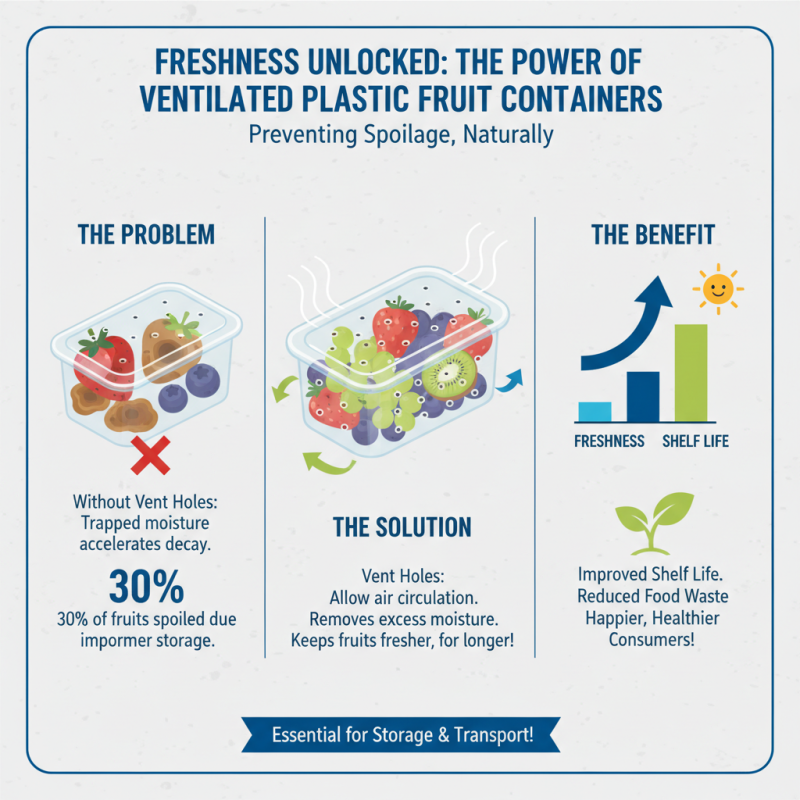
Plastic fruit containers are essential for storing and transporting fruits. These containers often feature vent holes, which allow air circulation. Proper ventilation prevents spoilage, keeping fruits fresh longer. According to industry reports, about 30% of fruits can spoil due to improper storage. This statistic emphasizes the importance of well-designed containers.
The design of plastic fruit containers often includes stackability. This feature helps maximize space during transport and display. Many containers are also made from recyclable materials, which aid in sustainability. Reports indicate about 25% of consumers prefer eco-friendly packaging. This shift in preference compels producers to rethink their packaging strategies.
Some plastic fruit containers lack durability. Fragile designs can lead to crushed fruits during transport. There’s also an ongoing challenge with maintaining hygiene. Many containers require thorough cleaning to prevent contamination. While advancements are being made, these issues highlight the need for continuous improvements in the industry.
Applications of Plastic Fruit Containers in Food Industry
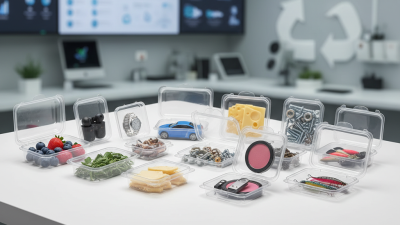
Plastic fruit containers play a crucial role in the food industry. They are designed to keep fruits fresh for a longer time. These containers come in various sizes and styles. Some are rigid, while others are flexible and stackable. Many are made with vent holes to allow air circulation. This reduces the risk of mold and spoilage.
In grocery stores, plastic fruit containers are widely used for displaying fruits. They are often bright and appealing. Shoppers can see the quality of the fruits inside. However, not all containers are perfect. Some may not provide enough ventilation, leading to quicker spoilage. Additionally, instances of poor design can make them hard to stack or transport.
Restaurants and cafes also utilize these containers for storage. They offer convenience for both preparation and serving. Yet, it can be challenging to maintain cleanliness. Scratches from handling can trap bacteria. Therefore, regular inspection and replacement are essential. Balancing functionality with hygiene remains an ongoing process in the industry.
What is a Plastic Fruit Container and How is it Used? - Applications of Plastic Fruit Containers in Food Industry
| Container Type |
Material |
Capacity (liters) |
Common Use |
| Clamshell Container |
PET |
1.5 |
Berries |
| Rectangular Tray |
PP |
3.0 |
Grapes |
| Net Bag |
LDPE |
2.0 |
Citrus Fruits |
| Punnets |
PS |
0.5 |
Cherries |
| Large Crates |
HDPE |
10.0 |
Stone Fruits |
Environmental Impact and Recycling of Plastic Fruit Containers
Plastic fruit containers are widely used for packaging and transporting fresh produce. However, their environmental impact is a growing concern. In the United States alone, nearly 40 million tons of plastic are used each year, and a significant portion ends up in landfills. According to the Environmental Protection Agency, only 9% of plastic waste is recycled. This means that a staggering 91% contributes to pollution and environmental degradation.
The recycling of plastic fruit containers presents challenges. Many of these containers are made from mixed materials, complicating the recycling process. As a result, facilities often choose to discard them instead of repurposing. Despite advancements in recycling technology, the complexity of sorting and processing prevents effective recycling. The Ellen MacArthur Foundation reports that less than 20% of plastic containers are successfully recycled.
Consumer habits also play a role in this issue. Many people do not recycle plastic containers properly. Education on proper recycling practices is crucial. Awareness campaigns can influence better disposal habits. Moreover, alternative materials are being explored. Biodegradable options may provide a more sustainable future, but they still require rigorous testing. Reflecting on these points, it's clear that the journey towards effective recycling and sustainable packaging is ongoing.
Environmental Impact of Plastic Fruit Containers