Top 10 Clamshell Boxes Suppliers for Global Buyers
Choosing the right clamshell boxes supplier is rarely a simple price comparison. Global buyers must examine material quality, tooling accuracy, sealing performance, production capacity, and export reliability. A clear product window may improve shelf appeal, but weak hinges or uneven edges can damage customer confidence. Small details matter.
William Pilditch, a recognized packaging specialist and author of The Silent Salesman, described packaging as “the silent salesman.” This idea remains practical today. Well-designed clamshell boxes protect products, communicate value, and support consistent retail presentation without requiring extra explanation. Yet appearance alone is not enough.
This guide introduces ten clamshell boxes suppliers serving international buyers. It considers their manufacturing experience, customization options, quality controls, minimum order quantities, lead times, and communication standards. Suppliers using PET, RPET, PVC, or other suitable materials may serve different packaging needs. Buyers should confirm food-contact suitability, recyclability claims, printing quality, and regional compliance before placing orders.
Samples should be inspected closely. Check the fold lines, locking tabs, surface clarity, and product fit. Also test cartons during transport, because a box that looks strong may fail under pressure. This is where many sourcing plans become unrealistic. Low prices can hide expensive tooling changes, delayed shipments, or inconsistent batches.
The suppliers below are not ranked only by size. Their practical value depends on the buyer’s product, destination market, order volume, and sustainability goals. Some may be strong in retail packaging, while others may perform better with custom shapes or high-volume production. No supplier is perfect. Careful verification is still necessary.
Clamshell Boxes: Definition, Uses, and Key Packaging Features
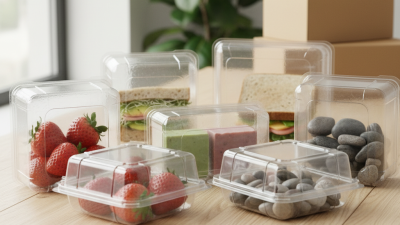
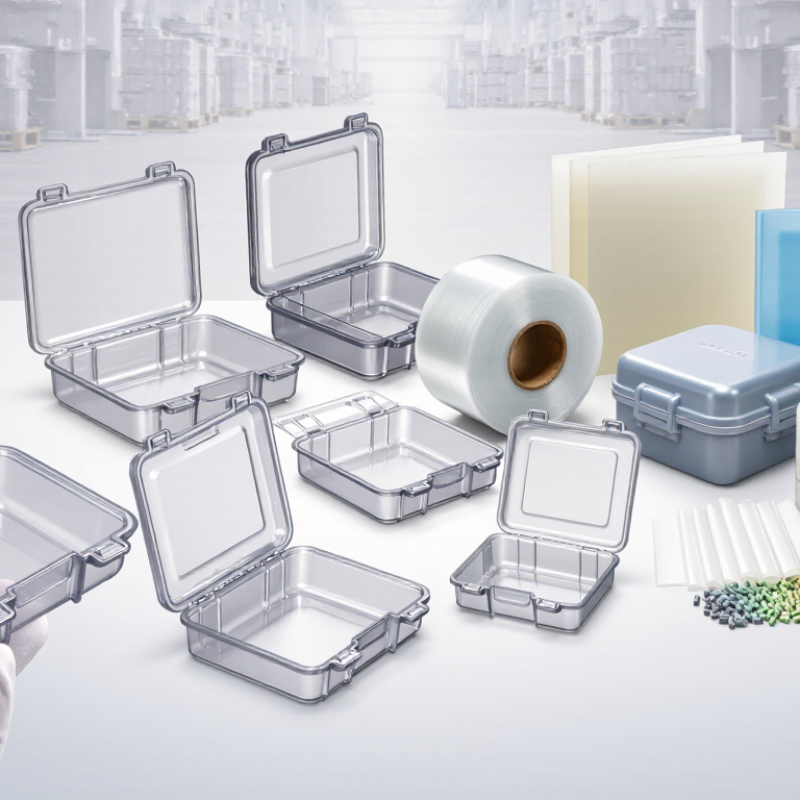
Clamshell boxes are hinged packages with two fitted halves. They usually use clear plastic, paperboard, or a hybrid structure. The front shell displays the product, while the back supports protection and labeling. Common uses include electronics accessories, small hardware, cosmetics, stationery, and retail components. The format works well when buyers need visibility, compact storage, and quick shelf recognition.
Key packaging features include a secure hinge, accurate cavity depth, reliable closure, and clean edges. Heat sealing can improve tamper evidence, but it may complicate opening and recycling. Ventilation openings help reduce moisture, although they can weaken dust protection. Buyers should check drop resistance, stackability, sealing temperature, and performance across humid transport conditions. Small dimensional errors matter. They can create pressure marks or loose closures.
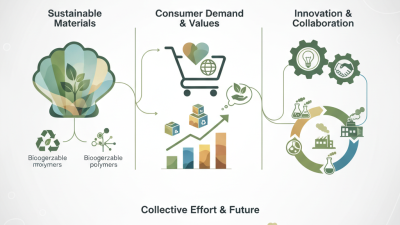
Sustainability is now a purchasing factor, not decoration. Grand View Research reported that the global sustainable packaging market reached USD 101.49 billion in 2022, with a projected 7.7% CAGR from 2023 to 2030. That trend supports mono-material designs, recycled content, and easily separable components. However, clear plastic can improve product inspection while complicating material recovery. No option is perfect. Smithers’ packaging forecasts also emphasize lightweighting and recycling infrastructure as major market drivers. In supplier evaluations, request material certificates, migration data where relevant, prototype samples, and test records. A lower unit price may hide higher tooling, waste, or damage costs.
How to Evaluate Clamshell Box Suppliers for Global Purchasing
Choosing a clamshell box supplier requires more than comparing unit prices. Start by checking material specifications, wall thickness, hinge strength, and closure performance. A clear sample should remain rigid after repeated opening. The hinge should not whiten, crack, or loosen.
Request production samples from the same factory line used for bulk orders. Test them with your actual product, not a similar item. Measure internal dimensions with a caliper, then check stacking stability during a short transport simulation. Ask for quality records, inspection procedures, and certificates that match the supplied material. Documents alone are not enough.
Ask how the supplier controls color, trimming, sealing, and printing variation. Confirm tooling ownership, minimum order quantities, replacement policies, and realistic lead times. A reliable supplier should explain its process clearly, including what happens when defects exceed the agreed limit. Verify export packing with photos of cartons, corner protection, and pallet loading. Sustainability claims also need evidence, such as recycled-content data or material declarations.
Price can hide risk.
In my experience, the cheapest quotation often excludes tooling changes, inspection, or protective packaging. That mistake becomes expensive after production begins. I would also assess communication speed, though fast replies do not always indicate strong manufacturing control. A small trial order can reveal more than a polished presentation. Allow time for corrections. Perfect specifications rarely survive the first sample review.
Top 10 Clamshell Box Suppliers and Their Core Capabilities
Top 10 Clamshell Box Suppliers for Global Buyers
The top ten clamshell box suppliers serve different packaging needs. Supplier One focuses on clear PET clamshells for retail visibility. Supplier Two produces recycled-content packaging with verified material records.
Supplier Three specializes in hinged food containers and dependable sealing performance. Supplier Four offers custom thermoforming for irregular product shapes.
Supplier Five supports electronics packaging with anti-static options and precise cavity sizes. Supplier Six handles high-volume orders using automated forming and trimming lines.
Supplier Seven develops small-batch prototypes, helping buyers test fit before full production. Supplier Eight supplies tamper-evident designs for products requiring stronger package control.
Their capabilities sound similar, but tooling accuracy often separates reliable production from costly rework.
Supplier Nine combines printed sleeves with transparent clamshell bodies. Supplier Ten provides export-ready packing, carton optimization, and inspection reports.
Experienced buyers should request samples, material certificates, drop-test data, and production photos. Ask about mold ownership, lead times, minimum quantities, and replacement procedures. A low quotation may hide weak hinges or uneven edges.
I have seen attractive samples fail after stacking, especially when humidity changes. That risk deserves attention. Supplier claims still require independent checks, because specifications can shift between prototypes and mass production.
Materials, Customization, Pricing, and Minimum Order Requirements
Selecting among the top 10 clamshell box suppliers requires more than comparing catalog photos. Experienced buyers inspect material thickness, sealing strength, clarity, and edge quality. PET offers strong transparency and useful impact resistance. PP bends more easily and suits lightweight products. Paperboard versions can reduce plastic use, but moisture protection may be weaker.
Customization usually includes dimensions, folding lines, hanging holes, printed inserts, embossing, and tamper-evident seals. Ask suppliers for a physical prototype before approving mass production. A sample should fit the product without pressure, rattling, or sharp contact points. Confirm food-contact or recycling documentation when relevant. Color samples matter too. Screen images can mislead.
Pricing depends on resin or paper grade, mold charges, printing, packaging, freight, and order volume. Many factories set minimum orders between 1,000 and 5,000 units, although complex molds may require more. Request a full quotation with tooling, sample fees, payment terms, and delivery dates listed separately. Reliable suppliers provide inspection records and explain tolerances clearly. My own review process is not flawless. I once focused too heavily on unit price and overlooked costly inner cartons. That mistake changed how I compare offers. A low quote may hide weak sealing or expensive shipping. Check the details.
International Ordering, Quality Control, and Shipping Considerations
When comparing clamshell box suppliers, international buyers should examine more than catalog photos. Request material specifications, closure strength, dimensions, and production tolerances. Samples reveal flaws. A box may look rigid but crack near the hinge after repeated opening. Ask suppliers for batch records, inspection photos, and test results before placing a large order. Details matter.
Quality control should cover the full production cycle. Confirm the approved sample in writing, including color, transparency, surface finish, and insert placement. Independent inspections can check carton counts, seal quality, and visible scratches before shipment. I have learned that vague terms such as “premium quality” create disputes later. Clear acceptance standards work better, although they may slow negotiations.
Shipping requires practical planning. Confirm the trade terms, export documents, carton dimensions, pallet limits, and insurance responsibilities. Clamshell boxes can consume unexpected container space because empty units do not compress safely. Request a loading plan and protective separators to reduce hinge damage. A supplier with low pricing may become expensive after rework, storage, or delayed delivery. Still, even careful plans fail sometimes. Weather, port congestion, or an incorrect carton measurement can disrupt schedules. Buyers should keep safety stock and communicate with the supplier throughout production, not only after dispatch.