Top 10 Labels and Packaging Trends for Global Buyers?
In the rapidly evolving world of labels and packaging, staying ahead of trends is crucial for businesses. Expert Samantha Collins, a leading authority in the packaging industry, states, "Innovation in labels and packaging drives brand identity and consumer engagement." As brands strive to capture consumer interest, understanding the latest trends becomes essential.
One significant trend is sustainability. Many companies are shifting towards eco-friendly materials. This change not only benefits the environment but also appeals to conscious consumers. Transparency in sourcing is vital. It fosters trust and builds brand loyalty. Additionally, digital printing is making waves. It allows for customization and quicker turnaround times.
Moreover, the aging population requires thoughtful packaging design. Easy-to-open and clearly labeled products are becoming more necessary. However, balancing aesthetics with practicality remains a challenge. Companies must carefully consider how their labels and packaging can communicate their values while meeting consumer needs. Through reflection and adaptation, brands can better navigate the complexities of the market.

Innovative Sustainable Materials for Modern Packaging Solutions
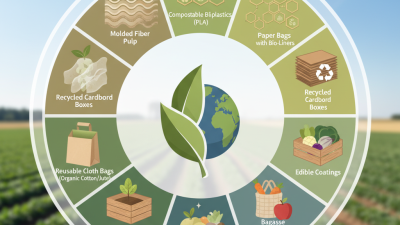
The demand for sustainable packaging materials has surged. A recent report from Smithers estimates that the global market for sustainable packaging will reach $500 billion by 2028. This growth reflects consumers’ increasing preference for eco-friendly options. Companies are now prioritizing materials that reduce environmental impact.
Innovative solutions include biodegradable films and recycled cardboard. These materials often come from renewable sources, such as plant-based polymers. A study from the Ellen MacArthur Foundation indicates that switching to circular materials could save the packaging industry $60 billion annually. However, challenges remain in scalability and production costs.
While these advancements are promising, the transition is not without hurdles. Many sustainable materials currently lack the durability needed for widespread application. There is a need for research and development in this area to ensure performance does not sacrifice sustainability. Industry stakeholders must focus on finding a balance between innovation and practicality to meet market demands.
Top 10 Labels and Packaging Trends for Global Buyers
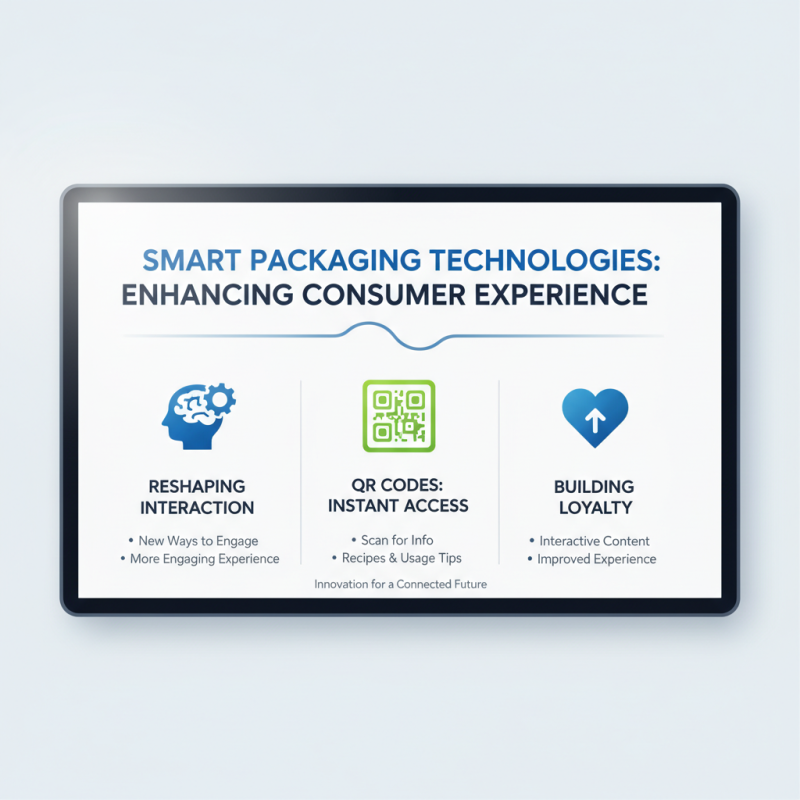
Smart Packaging Technologies Enhancing Consumer Experience
Smart packaging technologies are reshaping how consumers interact with products. These innovations offer a more engaging experience. For example, QR codes on packaging provide instant access to additional information. Consumers can scan codes for recipes or usage tips. This interactivity enhances their overall experience and builds loyalty.
Additionally, augmented reality (AR) is making waves in packaging. Brands use AR to create immersive experiences. Customers can view 3D models of products right from their packaging. This technology allows consumers to visualize how a product fits into their lifestyle. While exciting, there is a learning curve. Not all consumers are familiar with AR, which can limit its effectiveness.
Sustainability is another crucial aspect of smart packaging. Many brands are exploring eco-friendly materials. However, these new materials can sometimes compromise durability. The challenge lies in balancing sustainability with functionality. These emerging technologies offer great potential, but they require thoughtful implementation to truly enhance the consumer experience.
Minimalist Design Trends in Label Aesthetics and Branding
Minimalist design trends are shaping label aesthetics and branding. In today's marketplace, simplicity is powerful. Clean lines, ample white space, and understated typography are becoming the norm. This approach allows products to breathe and stand out amidst cluttered shelves. Effective branding relies on conveying quality and sophistication through minimal elements.
Consumers often respond to visual clarity. A simple label can evoke trust and reliability. Brands using minimalism focus on essential information. They prioritize what matters most to their audience. Imagery is stripped back, highlighting products rather than distractions. This can lead to deeper connections with consumers who appreciate authenticity.
However, this trend is not without challenges. Striking a balance between simplicity and informativity is key. Some brands may oversimplify and lose essential details. At times, minimalism can feel cold or uninspiring. Reflecting on how to engage customers while remaining true to minimalist values is crucial. Experimentation and reflection can help brands navigate this delicate design landscape.
Top 10 Labels and Packaging Trends for Global Buyers
| Trend |
Description |
Impact |
Region |
| Sustainable Materials |
Increasing use of recyclable and biodegradable materials for packaging. |
Positive, enhances brand reputation. |
Global |
| Bold Typography |
Use of large and striking fonts to convey messages. |
Increased visibility and brand recognition. |
North America, Europe |
| Minimalist Design |
Simplicity in design focusing on essential elements. |
Creates a clean aesthetic and attracts modern consumers. |
Asia, Australia |
| Vintage Aesthetics |
Incorporation of retro designs to evoke nostalgia. |
Appeals to older demographics and niche markets. |
North America, Europe |
| Interactive Packaging |
Packaging that incorporates QR codes or AR features. |
Enhances customer experience and engagement. |
Global |
| Personalized Packaging |
Custom packaging options for individual consumers. |
Boosts brand loyalty and customer satisfaction. |
Global |
| Transparent Design |
Using clear or semi-transparent materials. |
Increases trust and visibility of the product inside. |
Global |
| Color Psychology |
Strategic use of colors to convey emotions and messages. |
Influences purchasing decisions effectively. |
Global |
| Eco-Friendly Inks |
Use of natural inks and dyes in printing. |
Supports sustainability goals and attracts eco-conscious consumers. |
Global |
| Smart Packaging |
Incorporating sensors into packaging for tracking and freshness. |
Enhances product safety and consumer confidence. |
Global |
Interactive Labels: Engaging Customers through QR Codes and AR
Interactive labels are transforming the way brands engage with consumers. Recent studies show that 70% of customers are more likely to interact with products that feature QR codes or AR experiences. These technologies provide instant access to additional content, enhancing customer knowledge and driving purchasing decisions. Brands can share stories, videos, or product details, creating a deeper connection.
AR is particularly compelling. It can deliver immersive experiences that a static label cannot. For instance, a consumer might use their smartphone to see how a piece of furniture looks in their home. This technology brings products to life, making the shopping experience interactive and memorable.
However, the implementation of these trends is not without challenges. Many brands struggle with technology integration and consumer adoption. Despite the potential, not all customers fully engage with these QR codes or AR features. Clear instructions and strong marketing strategies are essential for successful campaigns. Balancing creativity and practicality is crucial in this evolving landscape.
The Rise of Personalization in Labels and Packaging Strategies
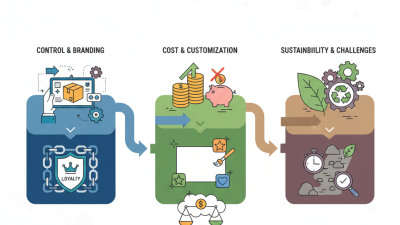
Personalization in labels and packaging is rapidly transforming the industry. According to a report by Packaging Strategies, over 60% of consumers express a desire for personalized packaging experiences. This trend reflects a shift toward individual customer engagement. Brands are now focusing on tailored designs that resonate with their target audiences. Custom labels can enhance a product's emotional appeal, driving loyalty and encouraging repeat purchases.
The data suggests that personalized packaging can boost sales significantly. A study by the Paper and Packaging Board revealed that 72% of consumers feel more positively about products that feature custom designs. This statistic emphasizes the importance of unique branding. However, not all brands have successfully adapted to this shift. Some efforts may come off as superficial if they lack genuine connection with consumers. This highlights the challenge of balancing innovation with authenticity in packaging strategies.
On the flip side, while technological advancements make personalization easier, there's a potential downside. Overwhelming consumers with too many choices can lead to decision fatigue. Furthermore, sustainable practices must not be overlooked. As personalization becomes more prevalent, ensuring that eco-friendly materials are used remains crucial. Failing to integrate sustainable solutions may alienate environmentally conscious consumers. Balancing personalization with sustainability is an ongoing challenge in the industry.