U.S. Patent Applications
China Top Produce Packaging Supplies Suppliers?
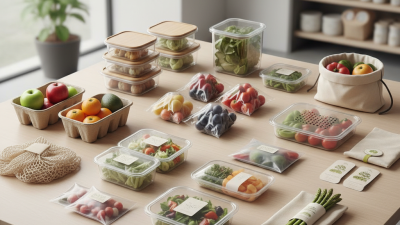
Choosing China’s top produce packaging supplies suppliers requires more than comparing prices or browsing polished product pages. Fresh produce packaging must protect appearance, airflow, moisture balance, and handling quality from farm to retail shelf. A strong supplier understands these pressures through repeated production experience, not only sales language.
This guide examines suppliers by material expertise, manufacturing capacity, quality controls, customization, and export communication. It considers practical products such as ventilated cartons, molded pulp trays, plastic crates, mesh bags, and recyclable clamshells. Factory visits, sample testing, and batch records can reveal details that catalogs often miss. Ask for food-contact documentation, material specifications, and test reports before approving large orders. Request samples under real conditions. Stack them. Chill them. Test their ventilation. Small weaknesses can become costly during transport.
The leading supplier is not always the largest factory. Sometimes a mid-sized manufacturer responds faster and solves design problems more carefully. That matters. Still, supplier claims should be verified through audits, references, production photographs, and clear quality agreements. Some information may remain difficult to confirm, especially when online profiles are outdated. That limitation deserves attention. A reliable sourcing decision should balance performance, compliance, communication, lead time, and total cost. This overview offers a practical framework for comparing China’s produce packaging supplies suppliers while recognizing that the best choice depends on crop type, destination market, seasonal volume, and handling process.
What Are Produce Packaging Supplies?
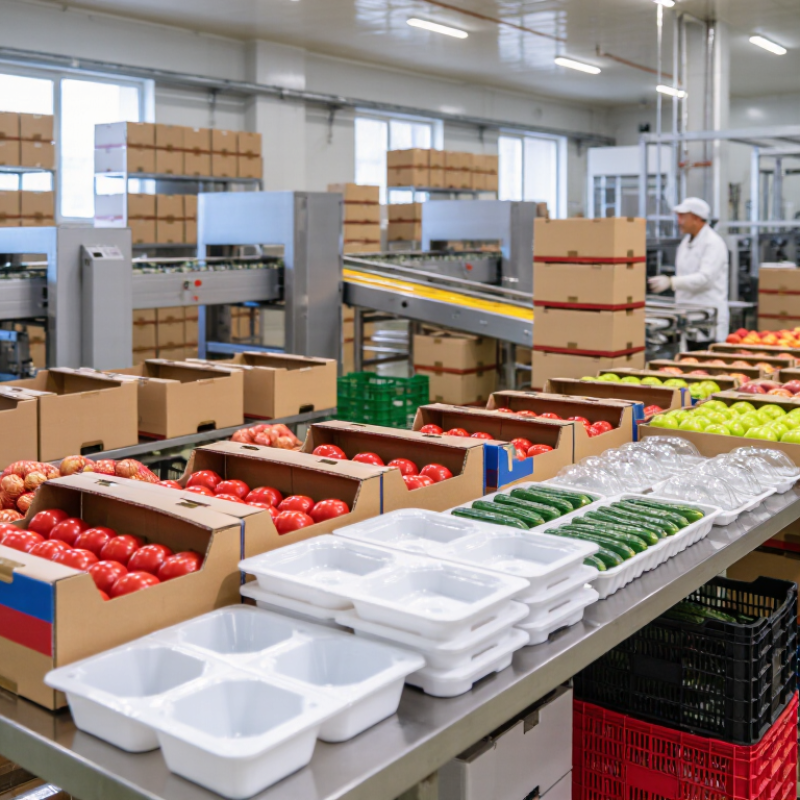
Produce packaging supplies are the materials used to protect fruits and vegetables from harvest to sale. They include corrugated cartons, plastic or paper trays, mesh bags, clamshells, labels, liners, and pallet wraps. Each item has a practical purpose. Ventilated cartons release heat from freshly harvested produce. Moisture-resistant liners help reduce leaks and softening. Firm trays prevent bruising during transport.
In real packing rooms, packaging choices depend on product weight, temperature, humidity, and travel distance. Berries need clean, breathable containers with secure lids. Leafy vegetables often require liners that retain freshness without trapping too much moisture. A box that looks strong may still collapse after several hours in a cold, damp truck. This happens more often than expected. Suppliers should provide material specifications, food-contact documentation, compression data, and sample testing. Clear communication matters, especially when dimensions or printing details change. Some packaging is recyclable, but that does not automatically make it suitable or practical everywhere.
Tips: Test supplies with real produce, not empty boxes. Check ventilation, stacking strength, closure security, and condensation after 24 hours. Ask suppliers about minimum order quantities and consistent quality between batches. Keep a simple inspection record. Small defects can become large losses. Also review the design honestly; attractive packaging cannot compensate for poor protection.
Why China Is a Major Produce Packaging Supply Market
China has become a major produce packaging supply market through scale, manufacturing depth, and export experience. Suppliers can produce corrugated cartons, molded pulp trays, mesh bags, films, and reusable crates in large volumes. Many factories operate near paper mills, plastics processors, ports, and agricultural regions. This concentration can shorten sourcing cycles and reduce transport between production stages. Price matters, but it is not the whole reason. Consistency matters more.
Produce buyers often need packaging that survives handling, storage, and long-distance transport. Chinese suppliers commonly support custom dimensions, ventilation holes, moisture resistance, printing, and pallet-ready packing. For berries, airflow and cushioning can protect delicate fruit during cold-chain handling. For leafy vegetables, breathable films and stackable crates help manage condensation. Factories may adjust board strength or tray depth after trial shipments. That practical testing reflects experience, although results vary between suppliers. Ask for samples. Check compression strength, odor, food-contact documentation, and performance after refrigeration.
The market is not flawless. Communication gaps, inconsistent batches, and unclear material claims can create expensive delays. A low quotation may hide higher minimum orders, tooling charges, or weaker moisture protection. Reliable sourcing requires factory audits, written specifications, inspection records, and transparent lead times. Buyers should verify destination requirements instead of trusting general compliance statements. Recyclability also needs careful review. Some mixed materials look efficient but complicate local recycling systems. China offers broad choice and production flexibility, yet that flexibility demands careful comparison.
Key Types of Produce Packaging from Chinese Suppliers
Chinese produce packaging suppliers offer practical options for many crop types and shipping conditions. Corrugated cartons suit apples, oranges, and leafy vegetables. Molded pulp trays protect berries and delicate stone fruits. Mesh bags improve airflow around onions, potatoes, and garlic. Reusable plastic crates support repeated handling in cold storage and distribution. Lightweight clamshells help reduce bruising, but their ventilation design needs careful testing.
Tips: Ask for samples filled with real produce. Check corner strength, moisture resistance, stacking performance, and closure quality. For chilled shipments, test packaging after several hours in a cold, humid environment. Confirm food-contact documentation and material details before ordering. Clear labels should show size, weight, lot information, and handling instructions. A supplier’s factory audit, quality records, and response speed also reveal practical reliability.
Experienced buyers should match packaging with the product’s respiration rate, skin sensitivity, and transport distance. Large ventilation holes may prevent condensation, yet they can reduce protection during rough handling. This trade-off is easy to overlook. I once found that a stronger carton was not always better; excessive compression damaged soft fruit inside. Request production samples, inspect printing accuracy, and compare actual dimensions with the quotation. Small differences can affect pallet stability and freight costs. Ask suppliers to explain their inspection process, not just provide attractive photos.
Key Types of Produce Packaging from Chinese Suppliers
Produce packaging suppliers in China commonly provide corrugated cartons, reusable plastic crates, wooden crates, mesh bags, and molded-pulp trays. The chart compares typical unit load capacities used for fresh fruits and vegetables. Actual capacity varies according to produce type, package dimensions, ventilation requirements, and transport conditions.
How to Evaluate China’s Top Packaging Suppliers
Evaluating China’s top produce packaging suppliers starts with evidence, not attractive catalog photos. In my sourcing experience, reliable suppliers explain materials, load limits, moisture resistance, and produce requirements clearly. Ask for current test reports, food-contact declarations, and batch traceability records. A supplier with precise documents deserves more trust than one offering the lowest quote. Request samples from normal production lines, not special demonstration units. Samples reveal the factory. Hand-finished samples may hide weak seals, uneven vents, or fragile corners.
Visit the facility when possible, or arrange an independent inspection. Review production flow, storage conditions, equipment maintenance, and quality checkpoints. Check whether workers inspect dimensions, printing, sealing, and cleanliness consistently. Ask how rejected materials are isolated and recorded. Suppliers should also explain their response process for defects. A polished audit is not enough. Real consistency matters more. I would compare several production batches, although this takes more time than expected. That extra time can expose variation.
Evaluate total landed cost, not only the unit price. Include tooling, packaging, shipping space, testing, and possible replacement costs. Confirm minimum order quantities, lead times, payment terms, and production capacity in writing. Send technical drawings and acceptance limits before ordering. Communication is a practical test. If answers change between sales and engineering teams, pause before committing. I once underestimated seasonal demand and accepted an optimistic delivery promise. The result was avoidable pressure. A dependable supplier should discuss risks openly, even when the answer is inconvenient.
Sourcing, Quality Control, and Import Considerations
Sourcing fresh-produce packaging from China requires more than comparing unit prices. Start with the product, dimensions, stacking method, and expected shelf conditions. A supplier should provide material specifications, production photos, and traceable sample records. Ask whether the package uses food-contact materials suitable for your destination market. Small details matter. A vented clamshell may protect berries, while a stronger corrugated carton may suit heavier vegetables. Request samples before approving a large order.
Quality control should cover appearance, size, sealing strength, ventilation, and print accuracy. Use a written inspection checklist with clear tolerances. Check random cartons during production, not only before shipment. Measure compression strength and inspect inner surfaces for dust, odor, or loose fibers. Moisture can weaken cartons during ocean transport. It is often overlooked. A sample may look excellent, yet mass production can reveal uneven edges or weak closures. My own checklist would not be perfect, so independent inspection remains valuable.
Import planning also needs practical attention. Confirm the correct customs classification, shipping terms, carton counts, pallet sizes, and required documents before placing an order. Verify destination labeling and packaging regulations with a qualified local adviser. Allow time for production delays, port congestion, and document corrections. Keep a written record of specifications, approvals, and corrective actions. Good communication helps, but it cannot replace evidence. A low quote may become expensive after rework, storage, or rejected goods.
| Packaging Category | Common Materials | Typical Produce Applications | Indicative Order Quantity | Typical Production Lead Time | Key Sourcing Considerations |
|---|---|---|---|---|---|
| Corrugated Produce Boxes | Kraft linerboard, fluting paper, water-resistant coatings | Apples, citrus, stone fruit, leafy vegetables | Usually 5,000–20,000 pieces per size and print specification | Approximately 15–30 days after artwork and specifications are approved | Confirm board grade, edge-crush requirements, moisture resistance, ventilation, print color tolerance, and pallet configuration. |
| Molded Pulp Trays | Recycled paper fiber, molded cellulose, optional food-contact coating | Egg-sized fruit, tomatoes, pears, peaches, and delicate produce | Typically 10,000–50,000 pieces per mold and configuration | Approximately 20–40 days, including mold preparation when required | Check dimensional fit, compression strength, fiber cleanliness, odor, moisture absorption, and nesting efficiency. |
| Flexible Produce Bags | PE, PP, perforated film, printed laminated film | Potatoes, onions, carrots, salad greens, herbs, and small fruit | Often 20,000–100,000 bags depending on size and printing | Approximately 15–30 days after film and artwork approval | Specify film thickness, perforation rate, seal strength, ink suitability, oxygen and moisture behavior, and recycling requirements. |
| Reusable Plastic Crates | HDPE or PP, injection-molded construction | Citrus, apples, vegetables, and repeated local distribution cycles | Usually 500–3,000 units per size and color | Approximately 25–45 days, excluding new tooling development | Evaluate load capacity, stackability, hinge and handle strength, cleaning compatibility, resin identification, and return logistics. |
| Wooden Pallets and Produce Bins | Sawn timber, plywood, heat-treated wood | Bulk produce, export cartons, warehouse and container handling | Commonly 100–1,000 units depending on dimensions | Approximately 10–25 days for standard sizes | For international shipments, verify ISPM 15 treatment and marking, moisture content, nail quality, dimensions, and load rating. |
| Protective Nets and Sleeves | PE foam, EPE netting, paper sleeves, mesh materials | Pears, peaches, mangoes, melons, and other easily bruised fruit | Typically 20,000–100,000 pieces | Approximately 15–30 days | Check elasticity, recovery after compression, ventilation, odor, fit tolerance, and compatibility with automated packing lines. |
| Control Area | Recommended Verification | Acceptance Evidence | Timing |
|---|---|---|---|
| Material Traceability | Review material specifications, batch records, recycled-content declarations, and production lot identification. | Lot number, dated records, approved material specification, and retained samples. | Before production and during each shipment. |
| Dimensions and Weight | Measure length, width, height, thickness, weight, and tolerances against the approved drawing. | Inspection report with calibrated measuring equipment and sampling records. | Pre-production sample and pre-shipment inspection. |
| Mechanical Performance | Use compression, stacking, drop, puncture, tear, or impact tests appropriate to the packaging format. | Results meeting the agreed specification; ASTM or ISO methods may be referenced where applicable. | Before approval and after material or design changes. |
| Food-Contact Compliance | Confirm that inks, coatings, adhesives, plastics, and paper components meet the destination market’s food-contact requirements. | Supplier declarations, migration test reports, and applicable regulatory documentation. | Before first order and whenever the formulation changes. |
| Printing and Appearance | Check artwork version, color consistency, barcode readability, registration, surface defects, and print rub resistance. | Approved golden sample, artwork proof, and documented defect limits. | Before mass production and during final inspection. |
| Sampling Plan | Define critical, major, and minor defects using an agreed sampling standard such as ISO 2859-1. | Written inspection plan with sample size, acceptance limits, and defect photographs. | Before issuing the purchase order. |
| Import Topic | Practical Requirement | Common Risk | Recommended Action |
|---|---|---|---|
| Product Classification | Determine the correct HS code based on material, construction, and intended use. | Unexpected duty, tax, inspection, or customs delays. | Confirm classification with the destination-country customs authority or a licensed customs broker before ordering. |
| Shipping Terms | Compare EXW, FOB, FCA, CIF, and DDP quotations on the same specification and delivery basis. | Hidden inland transport, handling, duty, or customs costs. | State the Incoterm and named place clearly in the purchase contract and request a landed-cost calculation. |
| Wood Packaging | Wood pallets, crates, and dunnage may need heat treatment and ISPM 15 marking for international transport. | Border rejection, re-export, treatment, or disposal costs. | Use compliant treated wood or specify plastic pallets and retain treatment documentation. |
| Shipping Documents | Prepare commercial invoice, packing list, transport document, certificate of origin when required, and compliance documents. | Document mismatch between goods, invoice, packing list, and customs entry. | Use consistent product descriptions, quantities, weights, carton counts, and HS codes across all documents. |
| Container Utilization | Calculate carton dimensions, pallet height, compression limits, and cubic-meter utilization before production. | Excess freight cost, crushed cartons, or unused container space. | Approve a loading plan and require photographs of palletization and container loading. |
| Storage and Transit Conditions | Protect paper and fiber packaging from rain, condensation, excessive humidity, and prolonged direct sunlight. | Warping, loss of compression strength, mold, odor, or print damage. | Use dry storage, moisture barriers where appropriate, ventilation, and clearly defined warehouse conditions. |
Related Posts
-
Top 10 Innovative Produce Packaging Solutions You Should Know?
-

2026 Best Clamshell Boxes for Your Packaging Needs?
-
China Top 10 Produce Packaging Supplies for Sustainable Agriculture?
-

How to Choose the Best Plastic Clamshells for Packaging?
-
Top 7 Tips for Choosing the Best Small Clamshell Containers?
-

10 Best Clamshell Boxes for Packaging and Display Needs?