888-395-5000

Why Choose Plastic Clamshell Packaging for Global Shipping?

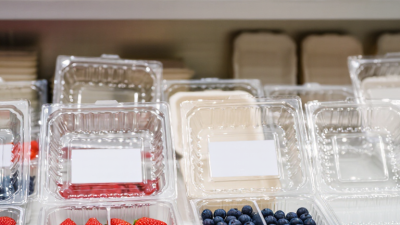
Global shipping exposes products to vibration, compression, moisture, dust, and repeated handling. Plastic clamshell packaging creates a transparent, rigid barrier around the product. It also allows buyers to inspect contents without opening the package. That detail matters when goods travel through several warehouses and delivery networks.

Smithers’ market research on rigid plastic packaging identifies lightweighting, product protection, and recyclability as major industry priorities. Grand View Research also reports continuing growth in global plastic packaging demand, supported by e-commerce, healthcare, and consumer goods. These reports do not prove that every clamshell is sustainable. They show why performance and material choices require careful evaluation.

Dr. Susan M. Selke, a respected packaging educator and author, has emphasized that “packaging is a system, not simply a material.” Her point is practical. A clamshell’s value depends on the product, transport distance, sealing method, and end-of-life options. A thin PET shell may reduce breakage and shipping weight. However, it can still create disposal challenges when labels, inserts, and mixed plastics complicate recycling.

That weakness deserves attention.

For global shipments, the best design balances visibility, tamper evidence, stacking strength, and responsible material use. Practical tests should include drop trials, humidity exposure, compression checks, and opening feedback. The answer is not automatically “more plastic.” It is better protection with less unnecessary material, supported by credible lifecycle data and regional recycling realities.

Why Choose Plastic Clamshell Packaging for Global Shipping?

What Plastic Clamshell Packaging Is and How It Works

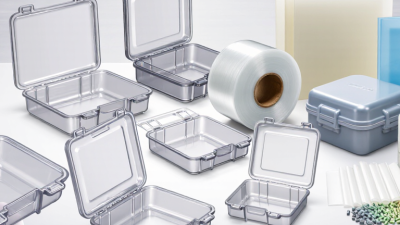
A plastic clamshell is a clear, thermoformed package shaped around a product. It usually uses PET, recycled PET, or another rigid polymer. A machine heats the sheet, draws it over a mold, and cools it. The result is a close-fitting cavity with a flat sealing rim. A hinge, snap, heat seal, or label can join the halves. Simple mechanism. During handling, the cavity limits movement and exposes damage before opening. UNCTAD’s Review of Maritime Transport reports that over 80% of world trade by volume travels by sea. Long journeys make moisture resistance and stable dimensions valuable.

For global shipping, low weight can reduce cargo mass, while rigid walls resist crushing. Clear plastic also helps warehouse staff check color, count, and visible defects. It is not magic. Poorly designed ribs can trap empty space and increase freight volume. Cold temperatures may make some plastics less flexible. Packaging engineers should test seal strength, drop resistance, vibration, and stacking performance. These tests reveal weaknesses that appearance hides. The OECD’s Global Plastics Outlook reports that only 9% of plastic waste was recycled in 2019. That figure demands restraint. A clamshell should use compatible material, clear recycling guidance, and minimal components. Recycling access differs sharply between ports, cities, and rural destinations. A practical specification records both shipping performance and end-of-life limits.

How Clamshells Protect Products During Global Transportation

Why Choose Plastic Clamshell Packaging for Global Shipping?

Global parcels face repeated drops, vibration, compression, humidity, and temperature changes. Plastic clamshells create a firm barrier around the product. Their shaped cavities reduce movement inside the package. That matters when cartons travel through several sorting centers.

The volume is significant. The 2023 Global Parcel Shipping Industry Index recorded about 161.8 billion parcels worldwide in 2022. More handling creates more opportunities for scuffs, crushed edges, and loose components. A properly designed clamshell keeps the product centered and visible. It also resists dust and short-term moisture exposure better than open trays. Clear visibility helps inspectors identify damage without opening every package.

However, a clamshell is not a perfect shield. Poorly fitted hinges can crack under cold conditions. Excessive internal space can let a product rattle during air transport. Laboratory testing should follow recognized procedures, such as ASTM D4169 or ISTA distribution tests. These methods evaluate drops, vibration, compression, and other shipping stresses. The 2024 Smithers packaging market analysis placed global packaging demand above one trillion U.S. dollars, showing the scale of modern distribution. Yet scale does not replace testing.

Practical design still matters. Use rounded corners, reinforced sealing points, and enough clearance for fragile surfaces. Add a secondary carton when stacking pressure is severe. A transparent shell protects better when it is engineered for the route, not merely shaped around the product.

Why Product Visibility Matters in International Shipping

Why Choose Plastic Clamshell Packaging for Global Shipping?

Product visibility matters when a package crosses several borders and handling points. A clear plastic clamshell lets warehouse staff inspect the item without opening the package. This reduces unnecessary handling and helps reveal missing parts, surface damage, or incorrect colors. It also gives buyers confidence when the parcel arrives. They can see the product immediately.

Visibility supports accurate identification. A readable label, barcode, or instruction card can remain visible through the packaging. This helps workers match products with shipping documents and storage records. In practical packaging tests, clear clamshells have made visual checks faster. Small details still matter. Poor lighting, plastic glare, and condensation can reduce visibility. The design must account for them.

Protection remains essential. A fitted clamshell can hold products in place during long transport, reducing movement inside the carton. However, clear plastic is not automatically strong enough for every route. Packaging teams should test impact, pressure, temperature changes, and stacking conditions. I have seen attractive packaging fail when its hanging edge cracked during rough handling. That result was disappointing, but useful. Visibility only creates value when the package also protects the product. A balanced design uses clear surfaces, secure seals, suitable cushioning, and readable information without hiding the item.

How Design Features Support Security, Handling, and Storage

Plastic clamshell packaging can make global shipping more predictable when its design matches product risks. A clear hinged shell lets handlers inspect contents without opening the pack. That visibility can reduce unnecessary opening and misplaced components. Rigid walls resist crushing from moderate stacking pressure. Internal ribs keep the item away from the outer surface. Small details matter.

A secure locking tab helps prevent accidental opening during sorting and air transport. For demanding shipments, a tamper-evident feature can show visible damage after opening. Rounded corners reduce snagging on conveyor belts. Flat panels support barcode placement and automated scanning. Consistent outer dimensions improve carton fit, pallet stability, and storage density. Fit comes first. Still, tight locks need testing. A lock that protects well may frustrate users with limited hand strength.

In hands-on packing trials, teams should drop filled samples, compress stacked units, and inspect hinges after vibration. Test the hinge. Results should be recorded, not guessed. Product cavities must hold items firmly without creating stress points. Ventilation may matter for warm or sensitive contents. Drainage paths can limit trapped condensation. Yet clamshells are not automatically waterproof. Poor seals, sharp edges, or oversized cavities can undermine good intentions. Design reviews should include warehouse staff, carriers, and end users. Their feedback often reveals handling problems that drawings miss.

Why Choose Plastic Clamshell Packaging for Global Shipping? - How Design Features Support Security, Handling, and Storage

Design Feature Typical Material or Structure Security Benefit Handling and Storage Benefit Practical Shipping Consideration
Transparent formed shell Commonly PET, rPET, PVC, or PP sheet formed around the product Allows visual inspection of product condition without opening the package Supports faster receiving checks and reduces unnecessary package opening Use sufficient clarity and surface protection for the intended route and storage environment
Perimeter heat seal or welded closure Sealed plastic flange, often paired with a coated paperboard or polymer lidding material Creates visible evidence if the package has been opened or damaged Keeps small parts contained during sorting, pallet movement, and unpacking Seal strength should be verified after temperature, humidity, and vibration exposure
Product-specific cavity Thermoformed cavity matched to the product’s shape and critical surfaces Limits product movement that can cause scratching, impact, or component separation Improves orientation control during manual and automated handling Allow clearance for dimensional tolerances, thermal expansion, and safe product removal
Reinforcing ribs and formed edges Raised ribs, curved corners, and strengthened perimeter geometry Helps distribute localized loads and reduces direct contact with the product Improves resistance to panel flexing during stacking and conveyor movement Confirm compression and drop performance using the actual product and outer shipping case
Rounded corners and smooth contours Radiused thermoformed plastic geometry Reduces sharp contact points that may puncture secondary packaging or damage nearby units Makes manual handling more comfortable and reduces snagging during movement Corner radii should be balanced with available space and product retention requirements
Nesting capability Nested empty shells with draft angles and controlled wall clearance Maintains organized packaging components before final packing Can reduce empty-packaging storage volume and simplify kitting Space savings are design-dependent and should be measured through an empty-packaging pack-out trial
Interlocking stack geometry Mating feet, recesses, or stacking lugs integrated into the shell Helps prevent units from sliding or shifting when stacked Improves pallet stability and makes carton loading more consistent Design the footprint around the selected pallet pattern, such as 1200 × 800 mm or 1200 × 1000 mm
Moisture-resistant plastic surface Non-fiber plastic shell with a sealed or lidded opening Provides a barrier against splashes and short-term exposure to humid handling conditions Helps maintain package shape during warehouse handling and transit Plastic packaging is not automatically waterproof; closure design and environmental testing remain necessary
Integrated label panel or barcode zone Flat, low-curvature area reserved for labels, symbols, or printed information Supports identification without opening the package Improves scanning, inventory control, and warehouse location accuracy Verify barcode contrast, label adhesion, and scanability after abrasion and condensation exposure
Material selection by application PET/rPET for clarity, PP for flexibility and chemical resistance, or other specified plastics Allows the package to be matched to impact, temperature, clarity, and product-compatibility needs Supports consistent performance across different storage and transport conditions Material choice should be confirmed through temperature, chemical-compatibility, and distribution testing

Data note: Performance depends on the specific resin, wall thickness, cavity design, closure method, product weight, secondary packaging, and transport route. Final designs should be validated with representative drop, vibration, compression, and environmental testing.

What to Consider When Choosing Clamshell Packaging Worldwide

Why Choose Plastic Clamshell Packaging for Global Shipping?

Worldwide clamshell selection requires more than attractive product presentation. It must survive drops, compression, humidity, vibration, and repeated handling. The Pitney Bowes Parcel Shipping Index reported 161.8 billion parcels worldwide in 2022. That volume increases pressure on protective packaging. A rigid clamshell can protect small products, reduce movement, and provide visible tamper evidence. However, excessive plastic can raise freight costs and recycling concerns.

Material choice deserves careful testing. Recycled PET may reduce virgin plastic use, but clarity, impact strength, and supply consistency must be verified. Smithers forecasts the global packaging market will exceed 1.2 trillion US dollars by 2028, showing how quickly packaging requirements are expanding. Use ISTA-based drop and vibration testing before approving a design. Test sealed samples at high humidity too. A package that performs in a dry warehouse may fail near a tropical port. That weakness is easy to overlook.

Tips: Compare three sizes, not one. Measure empty space, product movement, pallet efficiency, and dimensional weight. Check destination recycling guidance before production. Avoid sharp edges and difficult-to-open seals. Add clear handling information when needed. Small changes matter. A thinner shell may save material, yet it can crack during cold-weather transport. Some designs look efficient but waste space after pallet stacking. Review the results with logistics, quality, and local compliance teams. Perfect predictions are unrealistic; controlled trials are more reliable.