10 Best Produce Clamshell Packaging Suppliers for Buyers
Fresh berries, cut fruit, and cherry tomatoes place different demands on a package. A clear lid can help buyers inspect produce, while vents, hinges, and stack strength affect handling from packing line to retail shelf. That is why choosing a supplier involves more than comparing unit prices. Buyers should examine material options, tooling capabilities, sample quality, lead times, and documentation for applicable food-contact requirements.
Sustainable-design expert William McDonough offers a useful perspective: “Waste is food.” The phrase encourages buyers to ask what happens to a clamshell after use, not just how it protects produce today. Recyclability depends on material choices and local collection systems, so broad claims deserve careful checking. Details matter.
This guide to the 10 best produce clamshell packaging suppliers gives buyers a practical starting point. It considers product range, customization, production capacity, quality controls, and support for different business sizes. A small grower may need flexible order quantities; a large packer may prioritize consistent supply and automated-line compatibility. Ask for physical samples. Test the latch, inspect the vents, and stack filled packs under realistic conditions. No supplier comparison can replace those checks.
Some trade-offs remain. A lighter pack may reduce material use, yet perform poorly during transport. A custom design may look distinctive but require extra tooling time. The right choice depends on the crop, route, and retail requirements. Use the shortlist to frame questions, then verify each supplier’s current specifications and service terms before committing.
What Produce Clamshell Packaging Is and Where It Is Used
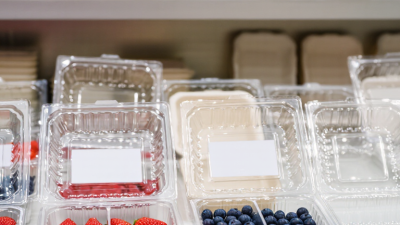
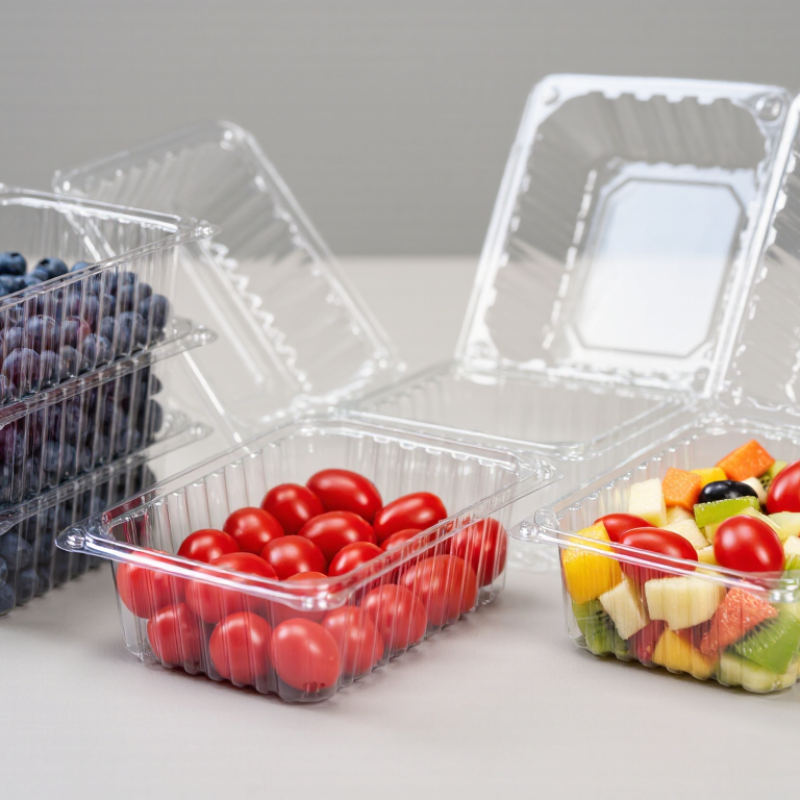
Produce clamshell packaging is a rigid container with two halves joined by a hinge. The lid closes over fresh items and often locks with small tabs. Clear walls let buyers inspect color, ripeness, and visible damage without opening the pack. Common materials include PET, recycled PET, and polypropylene; their strength and clarity vary.
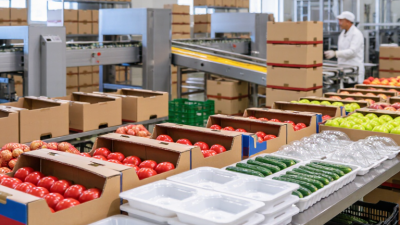
These packs are widely used for strawberries, blueberries, grapes, cherry tomatoes, and prepared fruit. Farm packing lines use them to portion produce, while wholesalers and grocery stores rely on their stackable shape for transport and display. Some designs include ventilation holes to help manage airflow. Too few may trap moisture; too many can speed drying. Small details matter.
Pack selection depends on the produce, shipping distance, and storage conditions. A berry pack needs gentle support and a secure closure, while larger tomatoes may need more room and sturdier walls. Buyers should check dimensions, hinge strength, lid fit, and the supplier’s material specifications. Cold-room trials can reveal fogging or weak closures before a large order. The fit is not always perfect. A sample packed with actual produce gives more useful evidence than a catalog image.
Produce Clamshells: Representative Retail Pack Weights
Clamshells are commonly used for delicate or ready-to-sell produce such as berries, cherry tomatoes, and grapes. The weights shown are representative retail pack examples, not fixed standards; pack sizes vary by product, retailer, and market.
Key Factors Buyers Should Assess When Selecting a Supplier
Choosing a produce clamshell supplier takes more than comparing unit prices.
Check whether the supplier can match the container to your fruit or vegetables. A berry pack may need small vents to limit moisture, while a heavier tomato pack needs secure hinges and a stable base. Ask for samples in your actual size and test them under chilled storage and normal stacking conditions. Feel the lid closure. Look for cracked corners, trapped condensation, or labels that peel when damp.
Review quality controls, production capacity, lead times, and how the supplier handles defects. Ask what materials are used and request clear documentation for relevant food-contact requirements. Compare total costs, including tooling, freight, and minimum order quantities, not just the quoted price. A polished quotation can still leave important details vague. It is easy to overlook how a small change in wall thickness affects both protection and shipping weight.
Tips: Send the supplier a real product sample and your expected packing volume. Request a written specification, then keep a reference sample from the approved batch. Confirm how design changes are communicated. Small details matter. A slightly loose lid may seem minor in the office, but it can open during transport.
Profiles of 10 Produce Clamshell Packaging Suppliers
Produce clamshell suppliers differ in tooling, materials, order sizes, and technical support. These ten profiles describe supplier types buyers may encounter, not named companies.
A regional thermoformer may offer quick delivery and custom molds.
A high-volume manufacturer can support steady orders but may require larger commitments.
A recycled-content specialist focuses on material options and clear documentation.
A lightweight-packaging producer helps reduce shipping weight.
A custom-design supplier can fit packs to unusual fruit shapes.
A standard-size supplier often offers simpler, faster reordering.
A produce-focused converter may understand ventilation needs for berries and grapes.
A distributor can combine clamshells with labels or other packing supplies.
A small-batch fabricator may suit seasonal trials, though unit costs can be higher.
An export-oriented supplier may provide careful pallet packing and consistent specifications.
Ask each candidate about hinge strength, closure fit, stack stability, and ventilation. Request samples and test them with actual produce; a clean-looking sample can still crack when cold or overfilled.
Tips: Compare written specifications, minimum order quantities, lead times, and sample results. Check whether material claims come with supporting documents. Record any weak spots, even minor ones, before approving a repeat order.
How Supplier Materials, Customization, and Services Compare
Produce clamshell suppliers differ less by appearance than by how their materials handle moisture, stacking, and cold storage.
For berries, clear PET can offer visibility and firm walls, while molded-fiber options provide a paper-like feel. Neither choice is automatic. Test samples with the actual crop; an empty lid may close neatly but buckle under chilled, wet fruit. Check vent placement, hinge strength, and whether tabs stay secure after repeated opening during packing.
Customization should solve a packing problem, not just add a logo.
Suppliers may adjust cavity size, vents, label panels, and closure design, but each change can affect tooling costs and lead times. Request drawings and a small production trial before approving a large order.
Service matters after sampling: clarify minimum quantities, repeat-order consistency, defect handling, and delivery windows in writing. One weak point remains. Sustainability claims need evidence about material content and local recovery options; recyclable packaging offers little practical value where collection is unavailable.
Steps for Choosing a Supplier That Fits Your Buying Needs
Choosing a produce clamshell supplier starts with the product, not the catalog. Measure the berries, grape bunches, or cut fruit you actually sell, then test a filled sample for crushing, leakage, and condensation. Check hinge strength and whether the lid stays closed after repeated handling. Small details matter. A package that stacks poorly can waste shelf and shipping space.
Ask suppliers for written specifications, food-contact documentation, material details, minimum order quantities, and realistic lead times. Request samples from the production line, not only showroom prototypes. Run them through your own packing and chilled-storage routine. The FAO’s 2019 report, The State of Food and Agriculture, estimated that 14% of food is lost between harvest and retail worldwide. Packaging cannot solve that alone, but fit and protection deserve practical testing. Don’t skip it.
Compare the full landed cost, including freight, storage, and expected damage—not just the unit price. Ask what recycling or recovery options exist in your sales region, and verify local sorting guidance before choosing a material. The OECD’s Global Plastics Outlook (2022) identifies packaging as the largest source of plastic waste, at 40% in 2019. That figure is worth discussing with suppliers, though a “recyclable” claim does not guarantee local collection. One trade-off may remain: lighter packaging can lower material use, yet perform poorly with delicate produce. Test before committing.