U.S. Patent Applications

How to Find Top Produce Packaging Supplies in China?
Finding reliable produce packaging supplies in China requires more than comparing factory prices. Fresh vegetables, berries, and leafy greens can lose value quickly when packaging fails. A crushed corner, weak seal, or blocked ventilation may create visible waste within hours.
The scale is significant. FAO’s The State of Food and Agriculture 2019 reported that approximately 14% of food is lost between harvest and retail globally. Packaging cannot solve every handling problem. It can, however, protect produce during cooling, storage, transport, and display. UNEP’s Food Waste Index Report 2024 estimated that 1.05 billion tonnes of food were wasted in 2022. These figures make packaging performance a commercial and environmental concern, not merely a purchasing detail.
China offers broad manufacturing capacity, including corrugated cartons, molded pulp trays, plastic crates, films, clamshells, and reusable containers. The choice should follow the product’s moisture level, temperature range, weight, and shipping route. Ask suppliers for material specifications, food-contact documentation, test reports, production samples, and traceability records. Check ventilation holes, stacking strength, seal quality, and print durability under cold-room conditions. Small details matter.
Low prices can mislead.
A supplier may quote less while using thinner board, weaker adhesive, or inconsistent recycled content. That assumption deserves testing. Independent inspections and pilot shipments can reveal defects before a seasonal order becomes expensive. This guide explains how to compare Chinese suppliers, verify their capabilities, and select produce packaging supplies that balance protection, compliance, cost, and practical sustainability. The process is not flawless, but disciplined evidence reduces avoidable risk.
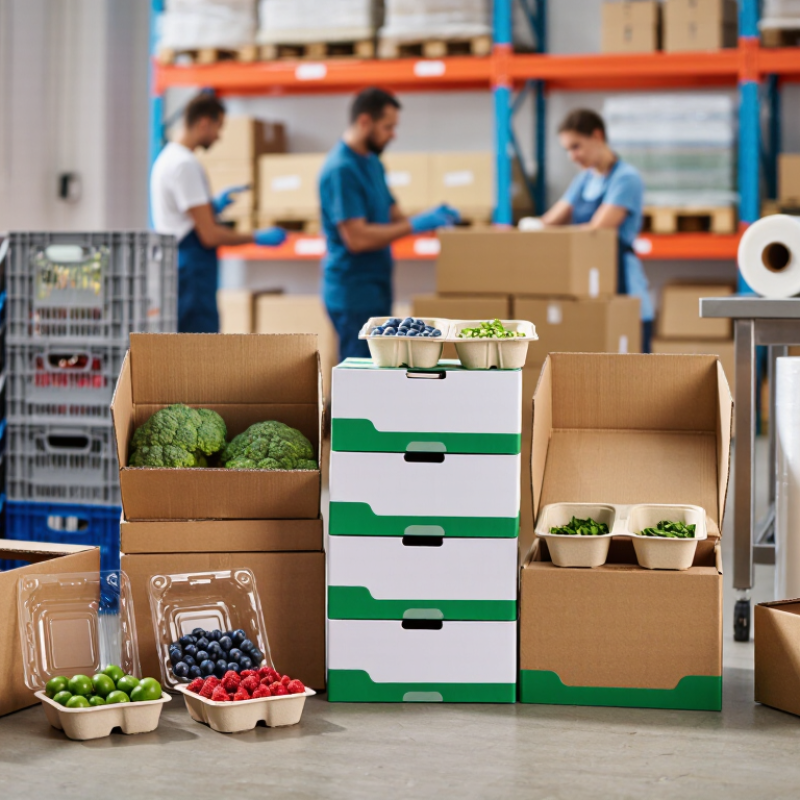
Define Your Produce Packaging Requirements
How to Find Top Produce Packaging Supplies in China?
Define Your Produce Packaging Requirements
Before contacting Chinese suppliers, define the produce, selling route, and expected shelf life. Leafy greens need airflow, while berries need cushioning and moisture control. FAO’s 2023 State of Food and Agriculture reported that 13.2% of food was lost between harvest and retail in 2021. Packaging cannot solve every loss, but the correct design can reduce bruising, dehydration, and contamination risks.
Write a practical specification sheet. Include package dimensions, net weight, ventilation area, stacking load, temperature range, and delivery distance. Also specify food-contact requirements, printing needs, recycled content, and acceptable defect levels. UNEP’s Food Waste Index Report 2024 estimated 1.05 billion tonnes of food waste in 2022. That figure makes waste prevention important, yet excessive packaging can create another problem. A strong design balances protection, material use, and recycling options. Do not guess. Test.
Tips: Request samples before discussing large orders. Fill them with real produce, then simulate stacking, vibration, cold storage, and humid conditions. Check whether lids loosen, corners collapse, or condensation collects inside. Ask suppliers for material specifications, test records, production tolerances, and traceable quality procedures. Confirm minimum order quantities and replacement policies in writing. A lower unit price may hide higher damage rates. Small trials matter. No specification is perfect until tested across a real supply route.
| Produce Category | Typical Packaging Format | Key Packaging Requirement | Ventilation or Moisture Control | Recommended Material Considerations | Typical Pack Size | Requirement to Confirm with Suppliers |
|---|---|---|---|---|---|---|
| Leafy Greens | Perforated bags, flow packs, or reusable crates | Prevent wilting and physical compression while maintaining airflow | High ventilation; moisture-resistant inner packaging may be needed | Food-contact polyethylene film, breathable bags, or washable plastic crates | 100–500 g retail packs; 5–10 kg bulk packs | Film perforation size, sealing strength, cooling compatibility, and crate dimensions |
| Berries | Vented clamshells, punnets, or lidded trays | Protect delicate fruit from crushing, leakage, and vibration | Ventilation is important; packaging should limit condensation | Rigid food-grade PET or recyclable polypropylene with secure lids | 125–500 g retail packs | Clamshell hinge durability, stackability, tamper evidence, and ventilation design |
| Apples and Pears | Corrugated cartons, molded-pulp trays, or reusable crates | Absorb impact and prevent surface bruising during pallet transport | Vent holes should support cooling without weakening the carton | Moisture-resistant corrugated board, molded fiber inserts, or rigid crates | 4–10 kg cartons; 4–12 pieces for retail packs | Box compression strength, tray fit, pallet pattern, and cold-chain performance |
| Citrus Fruit | Ventilated cartons, mesh bags, or rigid produce crates | Resist abrasion, compression, and moisture exposure | Moderate ventilation; drainage and moisture resistance are beneficial | Wax-compatible cartons, coated corrugated board, mesh, or washable plastic | 1–2 kg retail packs; 10–15 kg wholesale cartons | Carton coating, ventilation ratio, handle design, and stacking strength |
| Tomatoes | Rigid trays, ventilated cartons, or molded-fiber packs | Limit compression and movement while allowing ripening-related airflow | Ventilation should reduce heat and condensation buildup | Rigid food-grade plastic, molded pulp, or reinforced corrugated board | 500 g–1 kg retail packs; 5–7 kg bulk packs | Tray cavity dimensions, load-bearing capacity, ventilation, and moisture resistance |
| Grapes | Vented punnets, bags, or corrugated cartons with liners | Protect stems and berries from crushing, dehydration, and leakage | Good airflow with controlled humidity; absorbent pads may be used | Food-grade PET, breathable film, moisture-resistant cartons, and absorbent pads | 500 g–1 kg retail packs; 4.5–9 kg export cartons | Liner design, pad placement, vent alignment, and compatibility with refrigerated transport |
| Root Vegetables | Mesh bags, woven sacks, cartons, or reusable crates | Prevent abrasion, contamination, and excessive moisture accumulation | Ventilation helps reduce condensation; drainage may be required for washed produce | Food-safe mesh, coated paperboard, woven polypropylene, or washable plastic | 1–2 kg retail packs; 10–25 kg bulk packs | Bag seam strength, ventilation area, moisture resistance, and lifting performance |
| Potatoes and Onions | Mesh bags, paper sacks, cartons, or ventilated crates | Provide protection while allowing continuous air exchange | High ventilation; packaging should remain dry and breathable | Polypropylene mesh, paper sacks, corrugated board, or rigid ventilated crates | 1–2.5 kg retail packs; 10–25 kg bulk packs | Mesh opening, stitching quality, sack strength, print durability, and pallet stability |
| Cucumbers and Zucchini | Foam-lined trays, film packs, cartons, or reusable crates | Reduce surface damage and bending during handling | Moderate ventilation; avoid packaging that traps excessive condensation | Perforated film, molded fiber, foam-free protective inserts, or rigid crates | 500 g–1 kg retail packs; 5–10 kg bulk packs | Product fit, scratch resistance, film perforation, and carton compression strength |
| Mushrooms | Vented trays with film, paperboard punnets, or cartons | Control moisture while preventing bruising and discoloration | Breathable or microperforated film is commonly required | Food-grade trays, moisture-tolerant paperboard, and breathable lidding film | 200–500 g retail packs; 1–3 kg bulk packs | Film permeability, tray rigidity, condensation control, and seal performance |
| Fresh Herbs | Perforated bags, small clamshells, or moisture-retaining sleeves | Maintain freshness and prevent crushing of stems and leaves | Controlled ventilation with sufficient humidity retention | Perforated polyethylene, recyclable PET, paper sleeves, or breathable films | 20–100 g retail packs; 0.5–2 kg bulk packs | Perforation pattern, pack headspace, closure method, and compatibility with chilled storage |
| General Supplier Qualification | Samples, pilot orders, and production-ready packaging specifications | Verify consistent quality, food-contact suitability, and logistics performance | Test ventilation, moisture, temperature exposure, and condensation behavior | Request material specifications, migration documentation, recycled-content details, and recyclability information | Based on sales channel, transport route, and minimum order quantity | Confirm dimensions, tolerances, MOQ, lead time, tooling cost, inspection process, packaging tests, and export documents |
Related Posts
-
China Top Produce Packaging Supplies Suppliers?
-
Top 10 Innovative Produce Packaging Solutions You Should Know?
-
Digital Labels and Packaging Trends You Should Know?
-

How to Choose the Best Plastic Clamshells for Packaging?
-
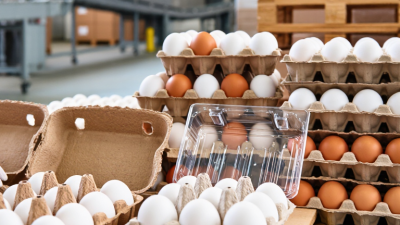
How to Choose the Right Egg Carton for Global Sourcing?
-
How to Source Clamshell Packaging in Canada?